

Photography(Photo.)_摄影
Time:2026-06-27 Visits:0
Photography Major
The Photography Major is an interdisciplinary field merging art and technology, training students to master both traditional and digital imaging techniques while developing a unique visual voice. This guide details the core curriculum, advanced study paths, and diverse career opportunities for photography majors. Covering fine art, documentary, commercial, and emerging media, it addresses key industry trends like AI integration and cross-media storytelling. Whether aiming for careers as artists, photojournalists, commercial photographers, or educators, the Photography Major provides the technical skills, critical thinking, and creative vision essential for success in a rapidly evolving visual landscape.
Introduction to the Photography Major
The Photography Major is an interdisciplinary discipline that explores the recording and creation of visual images through optical, chemical, and electronic means. It transcends mere technical documentation to deeply investigate photography’s aesthetic language, social functions, cultural critique, and conceptual expression. This major aims to equip students with a complete skill system ranging from traditional darkroom techniques to cutting-edge digital technology, while fostering the development of a distinctive visual style, critical thinking, and a creative methodology. It prepares graduates to become creators, interpreters, and communicators of imagery across diverse fields including artistic creation, commercial application, photojournalism, and social research.
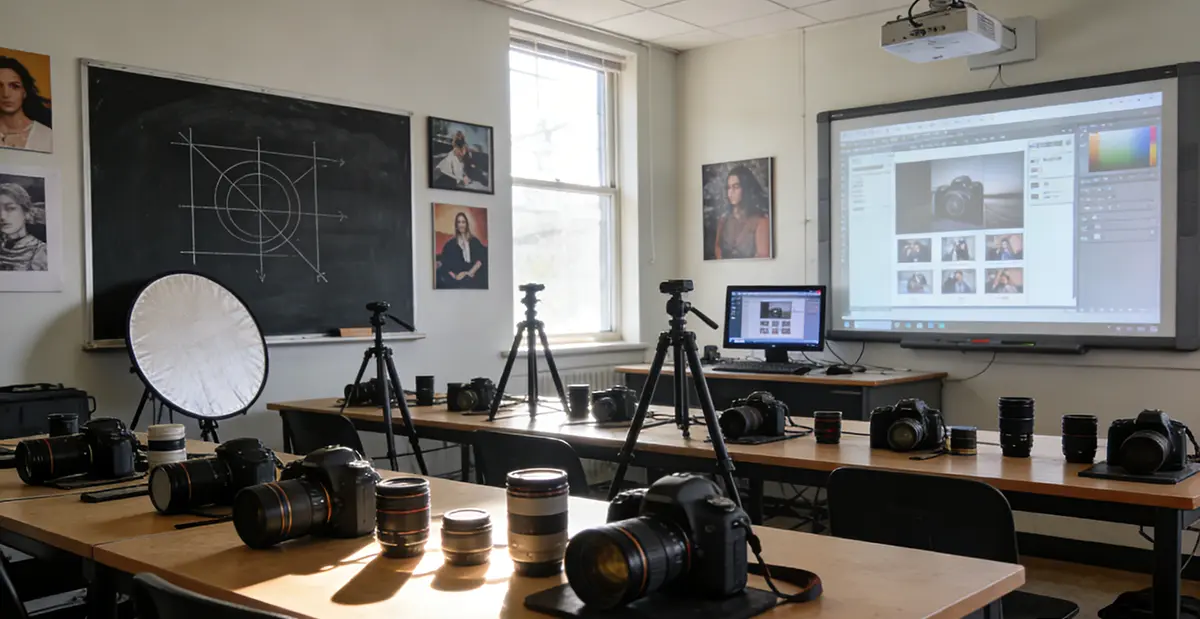
Core Curriculum for the Photography Major
| Module Category | Core Courses |
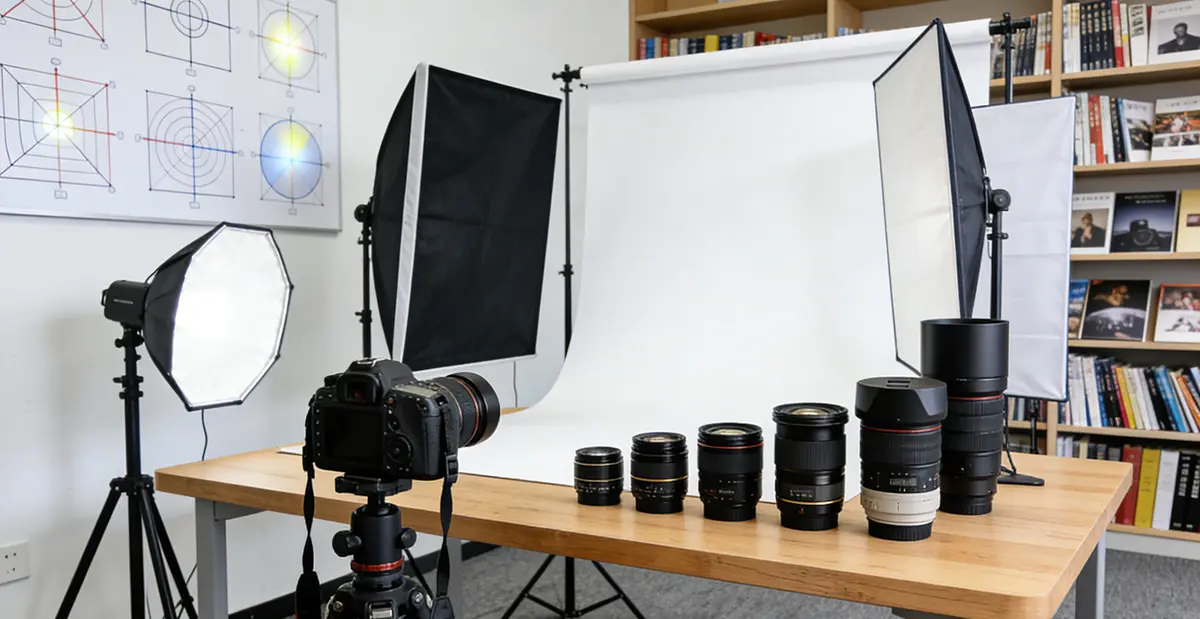
| Technical and Craft Foundations | Photography Fundamentals, Black-and-White Darkroom Techniques, Digital Photography Technology, Camera and Lens Optics, Studio Lighting Techniques, Color Management, Large Format Photography |
| Art and Theory Core | History of Photography, Aesthetics of Photography, Visual Culture Studies, Iconology, Contemporary Art Trends, Art Criticism |
| Creative Methods and Categories | Fine Art Photography: Conceptual
Photography, Portraiture, Landscape Photography, Experimental
Photography
Documentary & Photojournalism: Reportage Photography, Social
Documentary Photography, Photo Editing, Photojournalism Ethics
Commercial
Photography: Advertising Photography, Fashion Photography, Commercial
Portraiture, Product Photography, Architectural & Interior
Photography
Moving Image Expansion: Fundamentals of Video Shooting &
Editing, Moving Image Storytelling |
| Digital Post-Production & Output | Digital Image Processing (Advanced Photoshop Techniques), Lightroom Workflow Management, Professional Printing & Output, Digital Asset Management |
| Practice and Projects | Thematic Project Creation, Personal Portfolio Guidance, Photography Project Planning & Implementation, Graduation Project/Creative Thesis |
| Related Field Knowledge | Fundamentals of Art Curation, Photography Market & Collecting, Intellectual Property & Photography Law |
Advanced Study Pathways for the Photography Major
Master's (Creative Practice & Research - MFA/MA mainstream): Fine Art Photography (MFA): Deepens personal artistic language and conceptual expression, preparing for a career as a professional artist. Photography Studies / Visual Culture (MA): Focuses on academic research in photography theory, history, criticism, and visual culture. Documentary Photography & Photojournalism: Advances expertise in non-fiction visual storytelling, focusing on social issues and in-depth reporting.
Master's (Applied & Industry): Commercial / Fashion Photography: Specializes in high-end commercial imaging and brand visual identity creation. Photography Curation & Archival Management: Focuses on exhibition curation, photographic history research, and image archive management.
Cross-disciplinary Advancement: Cinematography: Shifts towards the role of Director of Photography for moving images. Art Therapy: Explores the application of photography in psychological therapy and community healing. Cultural Heritage & Museum Studies: Focuses on historical imagery, artifact photography, and digital preservation.
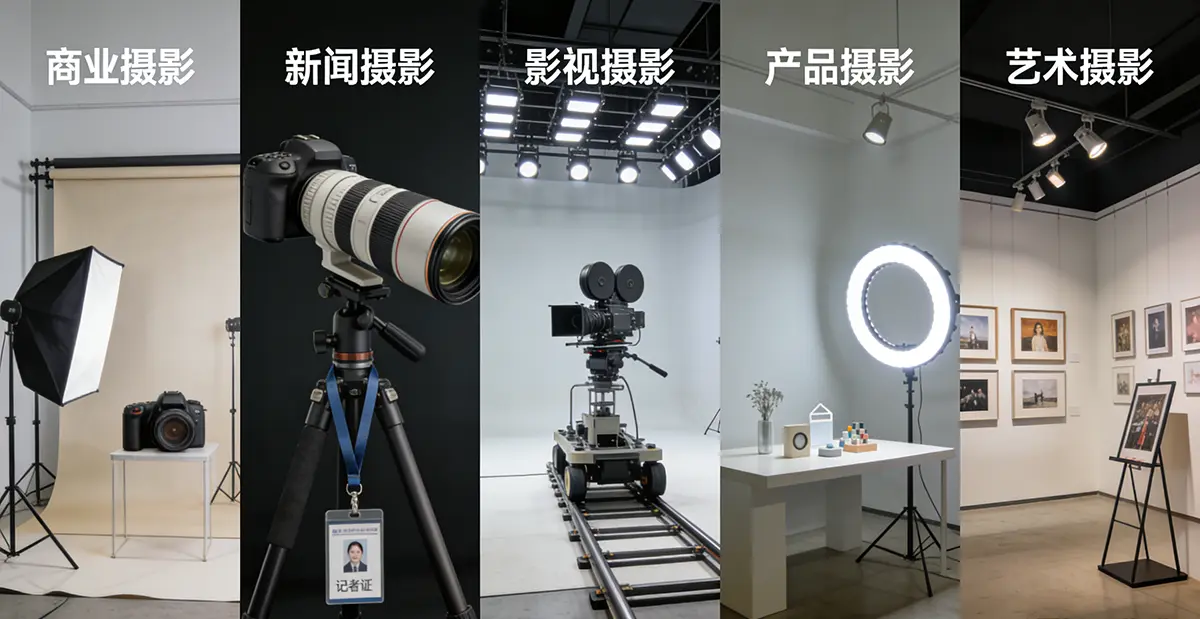
Career Paths and Positions for the Photography Major
| Core Employment Fields | Typical Positions | Primary Responsibilities and Skill Application |
| Art and Creative Sector | Professional Artist, Freelance Photographer / Studio Owner/Principal | Creates personal work for exhibition and sale through galleries, exhibitions, and art markets; undertakes commissioned commercial or artistic projects while managing a personal brand. |
| Media and Communication Industry | Photojournalist, Picture Editor, Contract Photographer; Visual Director, Photo Editor, Content Creator | Conducts photographic reporting and editing for news organizations; plans, creates, and manages visual content for new media and publishing houses. |
| Commercial Applications | Commercial Photographer, Fashion Photographer, Still Life Photographer, Art Director; Product Photographer, Stylist | Provides professional imaging services for advertising, branding, and design firms; executes product visualization and photography for e-commerce and fashion brands. |
| Cultural and Educational Institutions | Curator, Researcher, Public Education Officer, Image Archivist; Photography Instructor, Training Lecturer | Engages in exhibition curation, research, public education, and archive management at galleries and museums; teaches photography at universities, vocational colleges, and training institutions. |
| Emerging Technology & Freelancing | VR/AR Content Photographer, Spatial Scanning Photographer; Photography Writer, Travel Guide/Tutor, Equipment Reviewer, Self-Media Content Creator | Creates immersive visual content for technology companies; works freelance in writing, teaching, product reviews, and personal brand content creation. |
Employment Rate and Industry Trends for the Photography Major
Employment Characteristics: “Dominance of Freelance and Project-Based Work”: Many graduates begin their careers as freelancers, contract photographers, or studio founders, with income directly tied to projects and subject to significant fluctuation. “Personal Style and Branding are Key”: In the art and high-end commercial sectors, a unique visual style and strong personal brand are foundational, creating a highly differentiated competitive landscape. “Lowered Technical Barriers, Raised Aesthetic and Conceptual Thresholds”: The proliferation of equipment has increased the number of “photo-takers,” shifting professional value towards unique perspective, profound concepts, precise visual control, and narrative ability. “Resources and Networks are Crucial”: Industry connections, client resources, and media exposure greatly influence career development.
Industry Trends: “The Wave of Digital and Virtual Imaging”: The integration of AI-generated imagery and CGI with photography is redefining the boundaries of “reality,” demanding photographers understand and master new technologies. “Blurring Boundaries Between Still and Motion”: Market demand for moving images far exceeds that for static photos, requiring photographers to develop cross-media storytelling skills. “Resurgence of Social Value in Documentary Photography”: In an era of information overload, in-depth, serious documentary projects based on long-term research are regaining prominence. “Maturation of Photography Collecting and Market Systems”: The photography art market in China and Asia is maturing, offering increased opportunities for fine art photographers. “Empowerment through Self-Media and Personal Publishing”: Social media, personal websites, online galleries, and print-on-demand technology enable photographers to connect more directly with audiences and clients. “Application of Photography in Interdisciplinary Research”: The value of photography as a research tool is becoming increasingly prominent in fields such as anthropology, sociology, and environmental science.
Leading Global Institutions Offering the Photography Major
| Country/Region | Representative Institutions (Leading Photography Programs) |
| United States | Rhode Island School of Design, Yale School of Art, School of the Art Institute of Chicago, School of Visual Arts, California Institute of the Arts |
| United Kingdom | Royal College of Art (Postgraduate only), University of the Arts London (London College of Communication, Central Saint Martins), Goldsmiths, University of London, University of Westminster |
| Europe | Kunstakademie Düsseldorf (Germany, profound influence of the Becher School), Royal Academy of Art, The Hague (Netherlands), École Nationale Supérieure de la Photographie d'Arles (France) |
| Japan | Tokyo University of the Arts, Tokyo Polytechnic University, Musashino Art University |
| China | Central Academy of Fine Arts (School of Experimental Art, Photography track in the School of Design), China Academy of Art (School of Intermedia Art), Beijing Film Academy (School of Cinematography), Lu Xun Academy of Fine Arts (Department of Photography), Tsinghua University (Academy of Arts & Design, related tracks in the Department of Information Art & Design) |
| Other | Royal Melbourne Institute of Technology (RMIT University), Australia; Nanyang Technological University, Singapore (School of Art, Design and Media) |
Ideal Candidates for the Photography Major
Individuals with an extraordinary sensitivity to and curiosity about the visual world, adept at discovering and capturing details and moments. Those with a strong desire for personal expression, seeking to convey ideas and engage in social dialogue through the medium of imagery. Candidates possessing tenacious perseverance, capable of enduring the solitude and uncertainty inherent in creative practice and project execution. Individuals with broad interests and engagement in technology, art, society, and culture.
Core Competencies of the Photography Major
Mastery of technical control (exposure, lighting, post-production) and a distinctive visual style. The ability to conceptualize and execute in-depth thematic projects based on research, reflection, and experience. Excellent skills in image editing, sequencing, and visual storytelling. The capacity to shape, operate, and engage in cross-disciplinary collaboration for personal branding.
Study Recommendations for the Photography Major
“Observe before Shooting”: Systematically study masterworks from photography history, read extensively in philosophy, sociology, and literature to build a robust intellectual resource library. “Commit to Long-Term Projects”: Identify a subject of interest (social, personal, or formal exploration) early on and pursue it through sustained, in-depth shooting over several years to develop a substantial body of work. “Master the Full Workflow from Pre-production to Output”: Become proficient in every stage, from shooting and digital post-production to professional-grade printing or online publishing. “Build a Personal Archive and Portfolio”: Meticulously manage your negatives/digital files and continuously update and refine portfolios tailored for different objectives (artistic, commercial, job applications). “Actively Engage with the Photography Ecosystem”: Submit to photography festivals, participate in exhibitions and workshops, follow key critics and curators, and build your professional network. “Embrace Moving Images and New Technologies”: Proactively learn video production, editing, and AI imaging tools to expand expressive boundaries and professional adaptability.
Note: Programs may be categorized under different disciplines at some institutions. Please refer to the specific classification of the target institution.
- The Previous Passage:Graphic Design(Graphic Des.)_平面设计
- The Next Passage:没有了!
Human Geography Major_Geography(Geog.)_人文地理
The Human Geography Major explores the complex relationships between human activities and space, cul···

Atmospheric Sciences(Atmos. Sci.)_大气科学
Atmospheric science is the study of phenomena and evolutionary patterns within Earth's atmospher···
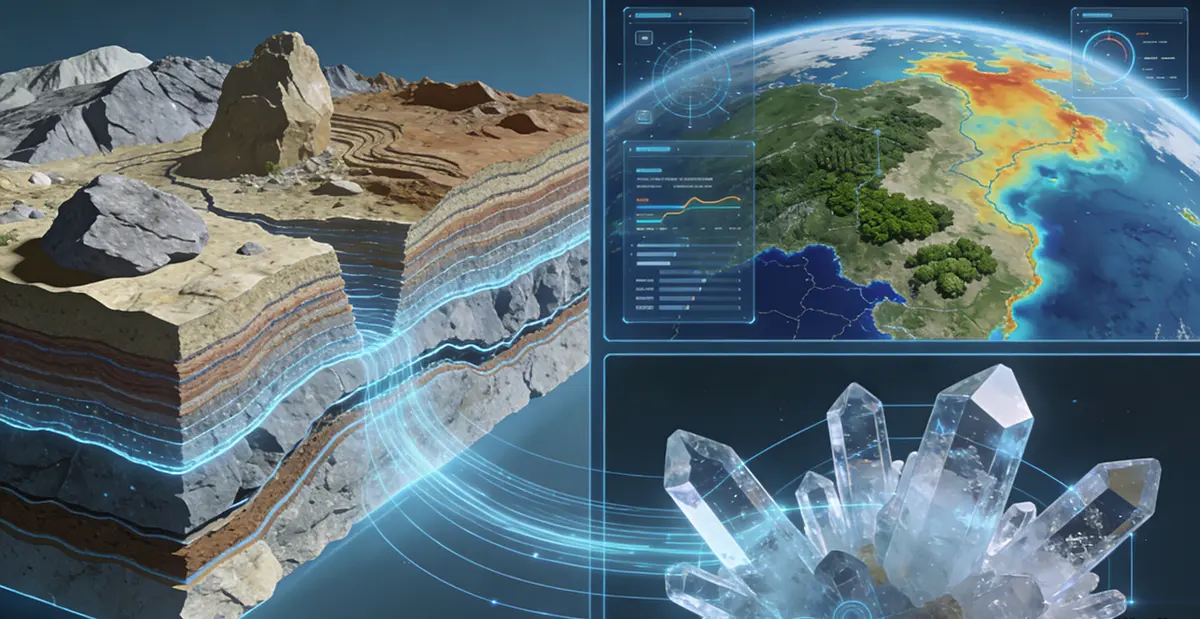
Earth Sciences(Earth Sci.)_地球科学
The Earth Science major focuses on studying the Earth system and its interactions, providing a scien···
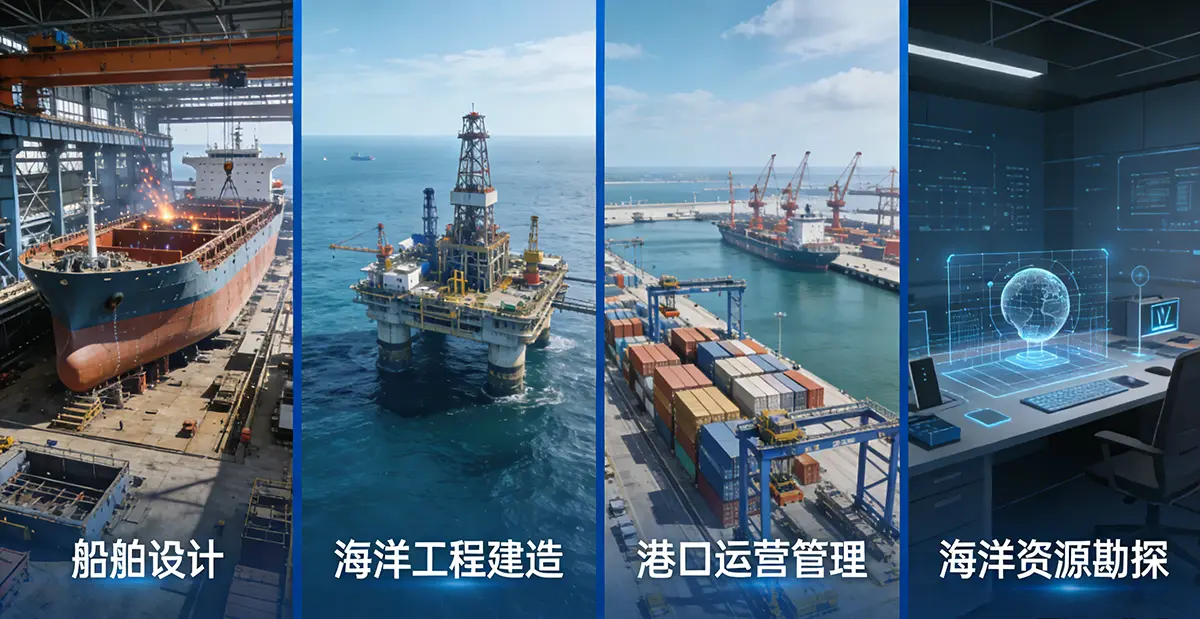
Ship and Ocean Engineering(Ship Ocean Eng.)_船舶与海洋工程
Naval Architecture and Ocean EngineeringNaval Architecture and Ocean Engineering is a core engineeri···

