

Earth Sciences(Earth Sci.)_地球科学
Time:2026-03-08 Visits:13
The Earth Science major focuses on studying the Earth system and its
interactions, providing a scientific foundation for addressing resource,
environmental, and disaster challenges. This article details its core
curriculum, leading global institutions, advanced study pathways, diverse career
prospects, and industry trends, offering essential insights for students
interested in exploring the planet's mysteries.
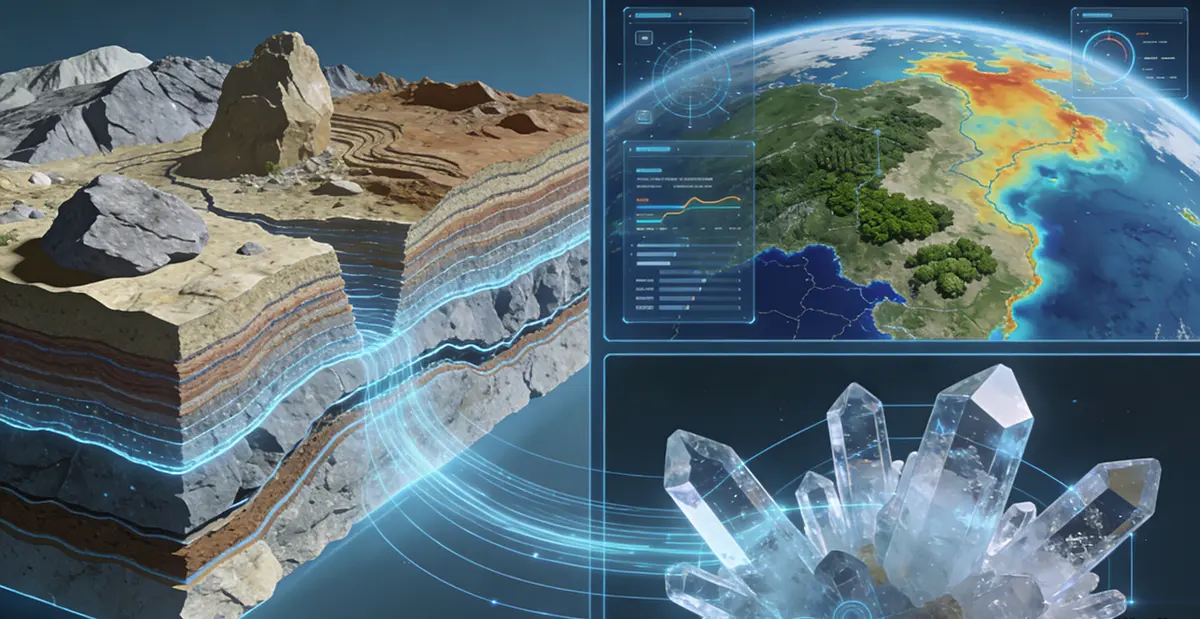
1. Introduction to the Earth Science Major
The Earth Science major is a comprehensive foundational discipline dedicated to studying the Earth system—encompassing the lithosphere, hydrosphere, atmosphere, biosphere, and their interactions. It investigates the planet's material composition, structure, dynamic processes, evolutionary history, and relationship with human activities, spanning scales from macro to micro and timelines from billions of years to modern processes. The Earth Science major aims to understand the fundamental principles governing our planet, providing the scientific basis for addressing global challenges such as resource sustainability, environmental protection, and natural hazard mitigation.
2. Core Curriculum of the Earth Science Major
| Module Category | Core Courses |
| Foundation & Core | General Geology, Mineralogy, Petrology, Structural Geology, Paleontology and Historical Geology, Geochemistry, Introduction to Geophysics |
| Systems & Special Topics | Plate Tectonics, Sedimentology and Stratigraphy, Economic Geology, Hydrogeology, Engineering Geology, Environmental Geology, Quaternary Geology and Global Change |
| Methods & Skills | Geological Mapping & Field Methods, Crystallography & Mineral Optics, Geophysical Exploration Methods, Geographic Information Systems (GIS), Fundamentals of Remote Sensing, Earth Science Data Processing & Analysis |
| Interdisciplinary & Frontiers | Introduction to Planetary Science, Fundamentals of Ocean Science, Climate Change Science, Resource Exploration Techniques, Geological Hazard Assessment |
| Supporting Disciplines | Advanced Mathematics, University Physics, General Chemistry, Physical Chemistry, Fundamentals of Computer Programming (Python) |
3. Advanced Study Pathways for the Earth Science Major
Pursuing a Master's or PhD in Earth Science sub-disciplines such as Structural Geology, Mineralogy & Petrology, Geochemistry, Paleontology & Stratigraphy, Geophysics, Hydrogeology, or Engineering Geology leads to careers in cutting-edge scientific research.
Interdisciplinary advanced studies are also prominent pathways for Earth Science majors, including Environmental Science & Engineering (focusing on pollution remediation and impact assessment), Geological Resources & Geological Engineering (for resource exploration), Geography/Remote Sensing Science (applying spatial information technologies), Oceanography, Atmospheric Science, Petroleum Engineering, and Mining Engineering. Furthermore, Earth Science majors can pursue professional certifications like Registered Geologist or Environmental Impact Assessment Engineer.
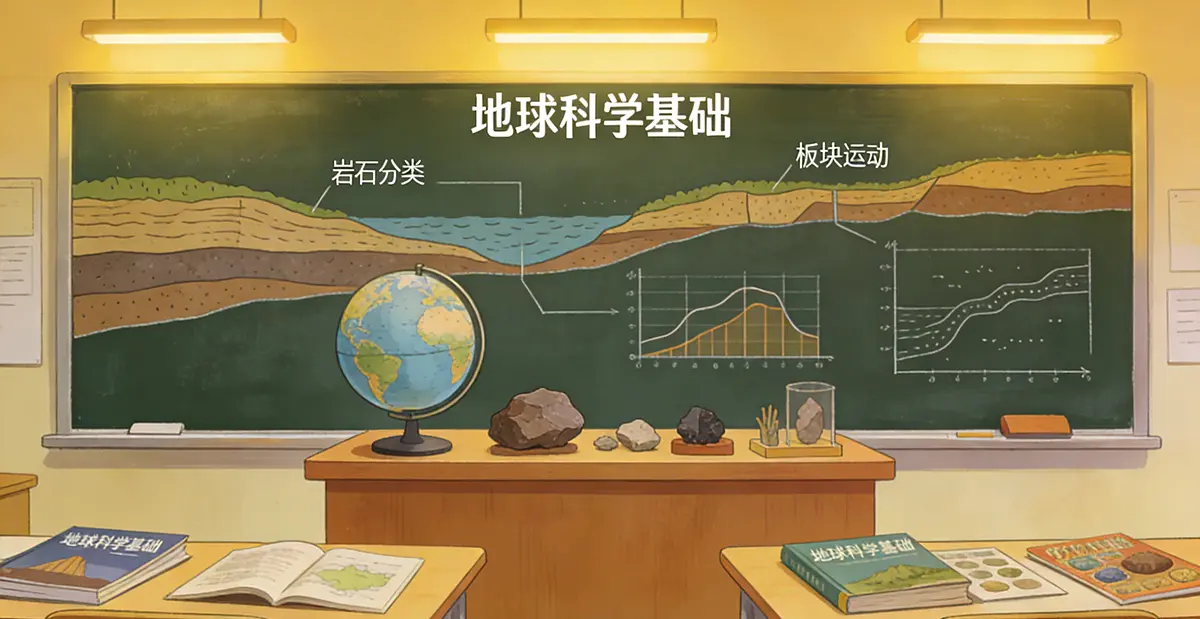
4. Career Paths and Positions for Earth Science Majors
Career fields for Earth Science majors are closely tied to resources, environment, engineering, and fundamental research, often involving a combination of fieldwork, laboratory analysis, and office-based work.
In the traditional core Resource and Energy Sector, Earth Science majors find roles as Geological Engineers/Technicians in mineral exploration (conducting fieldwork, logging, mapping, and resource estimation for mining companies and survey units) or as Exploration Geologists, Development Geologists, and Well Log Analysts in the oil and gas industry.
The growing Engineering and Environmental Sector offers positions for Earth Science majors such as Engineering Geologists in construction and infrastructure projects, Hydrogeologists and Environmental Geologists working on groundwater and contamination issues, and technicians in geological hazard monitoring and prevention.
Within Government, Research, and Education, Earth Science majors can become technical staff or civil servants in natural resources, environmental protection, and emergency management agencies; researchers or faculty at universities and institutes (typically requiring a PhD); or science educators and curators in museums and geological parks.
Emerging and Interdisciplinary Fields for Earth Science majors include geological data science (GIS/Remote Sensing Analysts, 3D Geological Modelers), planetary science (involved in deep-space mission data analysis), and climate change research (focusing on paleoclimate reconstruction and modeling).
5. Employment and Industry Trends for Earth Science Majors
Employment characteristics for Earth Science majors are marked by strong cyclicality and policy-driven demand, heavily influenced by global commodity prices and national investments in infrastructure, ecological conservation, and energy security. Work environments are diverse, ranging from demanding fieldwork to stable lab-based research or urban office roles. Practical field experience and problem-solving skills are highly valued assets for career advancement, with a consistent demand for seasoned experts.
Key industry trends shaping opportunities for Earth Science majors include: the energy transition, driving exploration for critical minerals like lithium and rare earth elements; ecological conservation and environmental geology, creating demand in ecosystem restoration and carbon sequestration; urgent disaster prevention and mitigation needs due to climate change; urban underground space development requiring detailed geological surveys; the digital and intelligent transformation of geoscience through AI, big data, and remote sensing; and national strategic focuses on deep earth, deep sea, and deep space exploration.
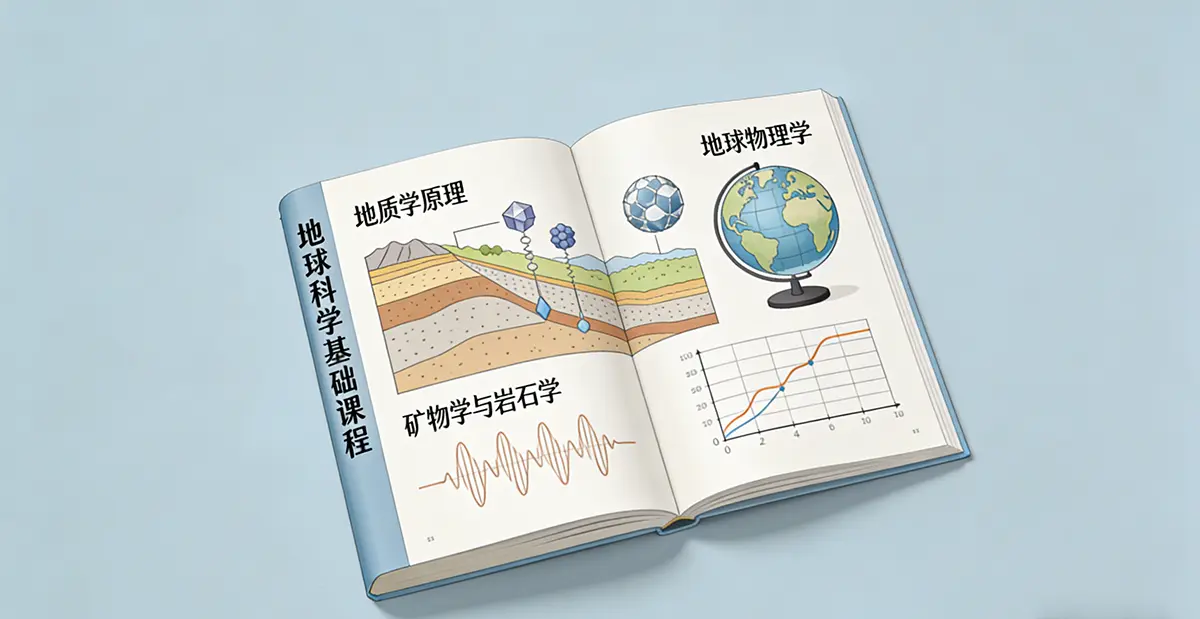
6. Leading Global Institutions Offering the Earth Science Major
Earth Science remains a traditional strength among comprehensive universities worldwide, with numerous top-tier institutions offering distinguished programs in this major.
| Country/Region | Representative Institutions (Leading in Earth Science) |
| United States | Massachusetts Institute of Technology, California Institute of Technology, Stanford University, University of California, Berkeley, Columbia University (Lamont-Doherty Earth Observatory) |
| Switzerland | ETH Zurich, École Polytechnique Fédérale de Lausanne (EPFL) |
| United Kingdom | University of Cambridge, University of Oxford, Imperial College London |
| Germany | University of Potsdam (GFZ German Research Centre for Geosciences), Ludwig Maximilian University of Munich |
| China | China University of Geosciences (Wuhan/Beijing), Peking University, Nanjing University, Northwest University, Jilin University |
| Others | Australian National University, University of British Columbia |
Ideal Candidates for the Earth Science Major:
Individuals with a strong fascination for nature, landscapes, rocks, and minerals, who enjoy outdoor exploration and fieldwork. They should possess solid spatial visualization, logical thinking, and hands-on skills, along with the adaptability to work in challenging environments, team spirit, and a sense of responsibility.
Core Competencies of the Earth Science Major:
The Earth Science major cultivates robust field observation, description, and geological mapping skills. It develops the ability to solve complex problems by integrating geological, geophysical, and geochemical methods. Graduates gain proficiency in data processing and spatial analysis through mastery of GIS, remote sensing, and specialized software, alongside a macro-level, scientific understanding of resource, environmental, and hazard issues.
Learning Recommendations for the Earth Science Major:
Prioritize fieldwork, the cornerstone of the discipline, by engaging in diverse regional field practices. Master essential tools like GIS software (e.g., ArcGIS), geological modeling applications, and Python for data processing. Stay informed about national strategies and industry trends in sectors like new energy and disaster mitigation. Define your academic and career focus early—whether towards resources, environment, engineering, or fundamental research—and tailor your coursework and internships accordingly. Cultivate physical fitness and resilience, which are fundamental for fieldwork success.
*Note: Institutional classification of this major may vary; always check the specific program structure at your chosen university.*
- The Previous Passage:Earth and Ocean Sciences(Earth & Ocean Sci.)_地球与海洋科学
- The Next Passage:Human Geography Major_Geography(Geog.)_人文地理
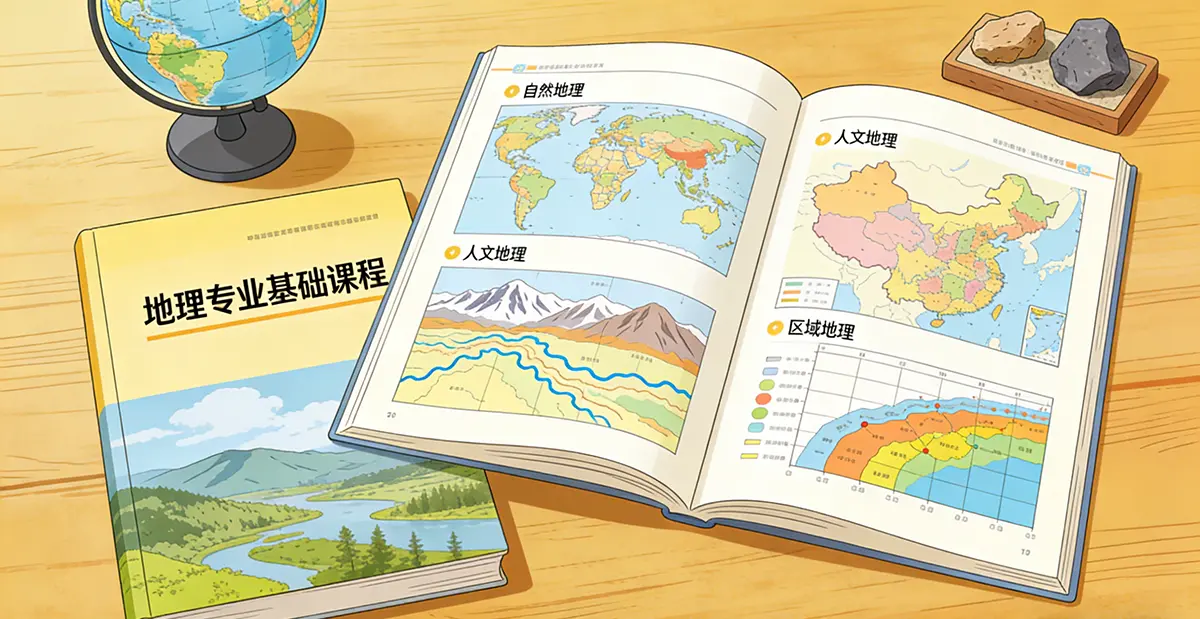
Human Geography Major_Geography(Geog.)_人文地理
The Human Geography Major explores the complex relationships between human activities and space, cul···

Atmospheric Sciences(Atmos. Sci.)_大气科学
Atmospheric science is the study of phenomena and evolutionary patterns within Earth's atmospher···
-
Earth Sciences(Earth Sci.)_地球科学
The Earth Science major focuses on studying the Earth system and its interactions, providing a scien···
Ocean Sciences(Ocean Sci.)_海洋科学
PbootCMS是全新内核且永久开源免费的PHP企业网站开发建设管理系统,是一套高效、简洁、 强悍的可免费商用的···

