

Earth and Ocean Sciences(Earth & Ocean Sci.)_地球与海洋科学
Time:2026-03-08 Visits:8
The Earth and Ocean Science Major is a highly integrated, interdisciplinary
field dedicated to studying the complex interactions between the solid Earth,
oceans, and atmosphere, and the functioning of the entire Earth system. Central
to addressing global challenges like climate change, sustainable marine resource
management, and coastal resilience, this major equips students with cutting-edge
scientific knowledge, practical skills, and diverse career pathways.
1. Introduction to the Earth and Ocean Science Major
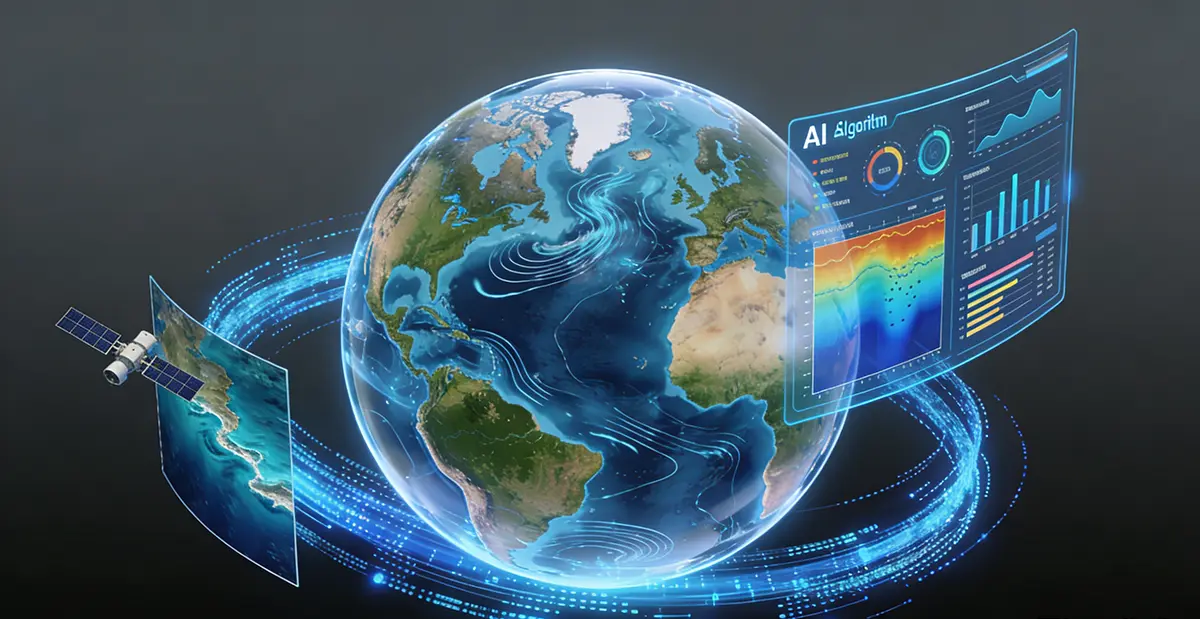
The Earth and Ocean Science Major is a highly integrated interdisciplinary discipline that comprehensively investigates the complex interactions among the solid Earth, oceans, and atmosphere, along with the evolution and operational mechanisms of this unified system. Transcending traditional single-discipline boundaries, it aims to understand planetary-scale energy cycles, material transport, and the evolution of life within the Earth system, with a particular focus on the ocean's pivotal role in regulating climate, shaping geological environments, and sustaining ecosystems. This major provides the critical scientific foundation for addressing global challenges such as climate change, marine resource development and conservation, and coastal zone management.
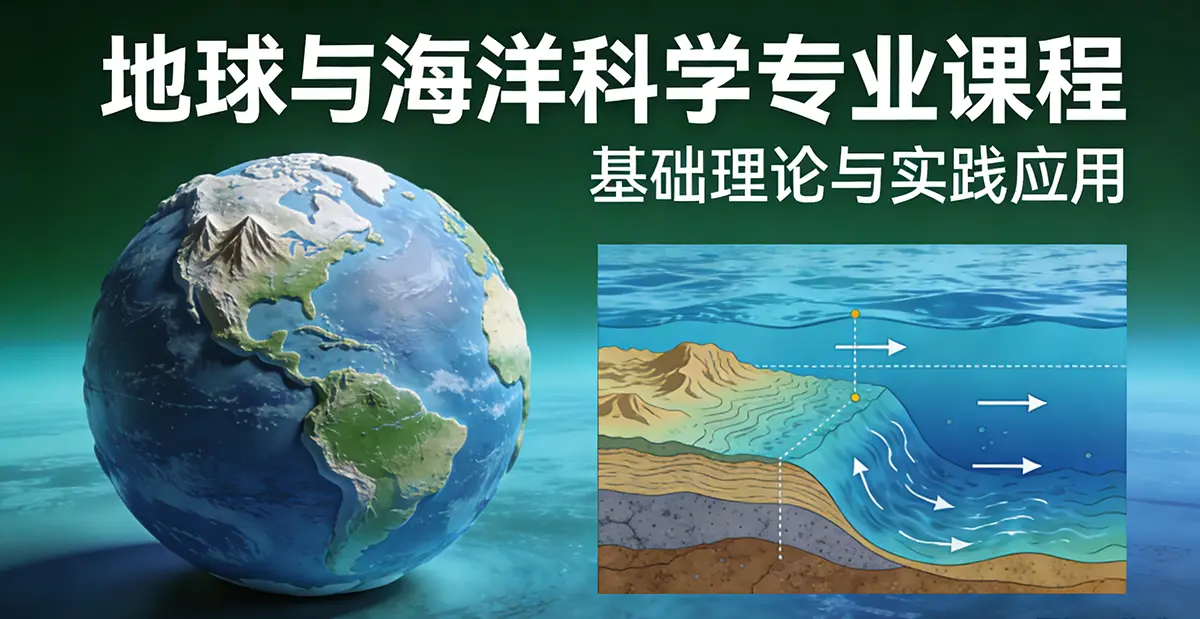
2. Core Curriculum of the Earth and Ocean Science Major
| Module Category | Core Courses |
| Foundations of Earth System Science | Intro to Earth System Science, General Geology, Intro to Oceanography (Physical, Chemical, Biological, Geological), Fundamentals of Atmospheric Science |
| Core Processes and Mechanisms | Plate Tectonics & Seafloor Spreading, Ocean Circulation & Dynamics, Marine Chemistry & Biogeochemical Cycles, Sedimentary Processes & Paleoceanography, Ocean-Atmosphere Interaction |
| Research Methods and Techniques | Marine Survey Methods & Techniques, Satellite Ocean Remote Sensing, Geographic Information Systems (GIS), Marine Geophysical Exploration, Marine Data Processing & Visualization, Fundamentals of Numerical Modeling |
| Resources, Environment, and Sustainability | Marine Resources Science (Mineral, Energy, Biological), Marine Ecology, Coastal Zone Management & Engineering, Climate Change & Sea-Level Rise, Marine Pollution & Environmental Protection |
| Supporting Disciplines | Advanced Mathematics, University Physics, General Chemistry, Physical Chemistry, Fluid Mechanics, Computer Programming (Python/MATLAB) |
3. Advanced Study Pathways for the Earth and Ocean Science Major
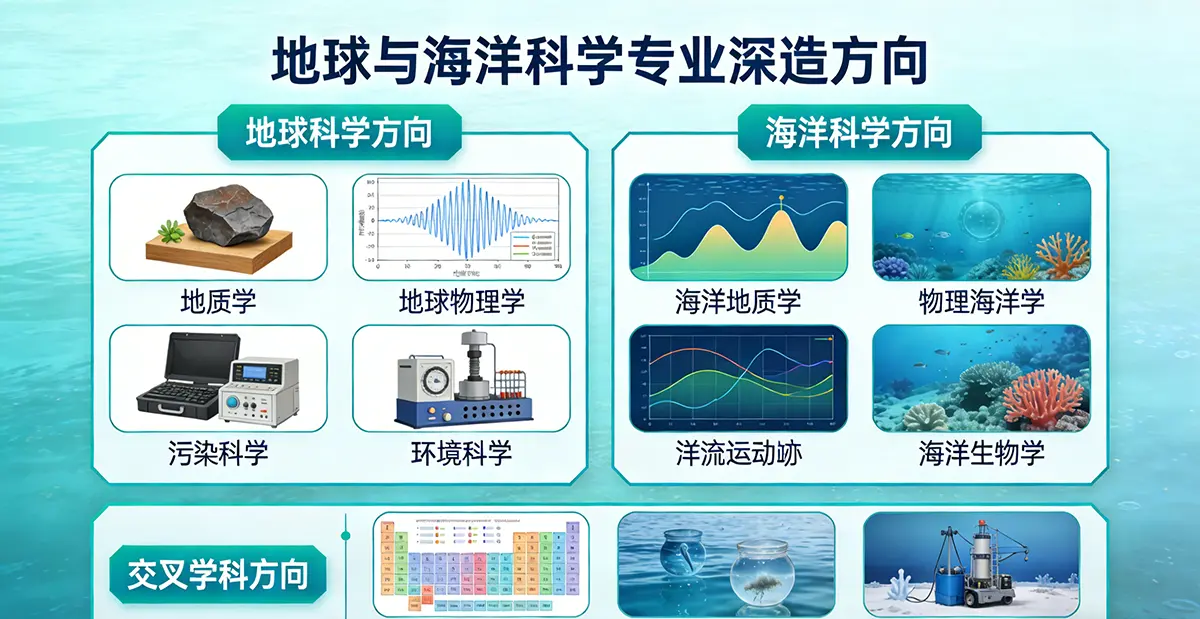
Graduates of the Earth and Ocean Science Major can pursue Master's or PhD degrees in Ocean Science, Physical Oceanography, Marine Geology, or Marine Chemistry, engaging in cutting-edge research on ocean circulation, paleoclimate, biogeochemistry, and seabed resources. Other prominent pathways include Atmospheric or Climate Science for in-depth study of the climate system and global change; Environmental Science or Ecology with a focus on marine protection and restoration; Geological Resources and Engineering for exploration of offshore hydrocarbons and deep-sea minerals; and Maritime Management and Policy, shifting towards marine law and ocean economy. Interdisciplinary advancement into Marine Technology (instrumentation) or Data Science (marine big data) is also a valuable option for Earth and Ocean Science majors.
4. Career Paths for Earth and Ocean Science Majors
Career opportunities for Earth and Ocean Science majors span research, resources, environment, defense, engineering, and management, highlighting the field's strong interdisciplinary and applied nature. In Research and Monitoring—a core destination—graduates can become researchers, faculty, or postdocs (typically requiring a PhD) at institutes and universities, or take up scientific and technical roles in government monitoring and forecasting agencies or international programs like the IPCC. The Resource and Energy Development sector hires Earth and Ocean Science majors as exploration geologists and geophysicists in offshore oil and gas, or as assessors of deep-sea minerals. Environmental Protection and Management offers roles as impact assessment engineers, ecological restoration technicians, coastal planners, and conservation area administrators. Engineering Technology and Applications include positions in marine surveying, underwater robotics, port engineering, and maritime operations analysis. Finally, National Defense and Public Service sectors provide technical roles in naval oceanography and opportunities in marine science education and communication.
5. Employment and Industry Trends for Earth and Ocean Science Majors
Employment characteristics for Earth and Ocean Science majors reflect its status as a “nation-strategy-oriented” major, heavily dependent on national investments in maritime power and the blue economy, with core jobs concentrated in coastal cities and research hubs. Advanced degrees are often required for high-end roles, and the work uniquely blends offshore surveys, lab analysis, and computational modeling, demanding strong practical skills and resilience.
Industry trends are shaping dynamic opportunities for Earth and Ocean Science majors. The ocean's central role in climate change research ensures growing demand for related expertise. Deep-sea exploration and resource development is becoming a strategic frontier, driving need for specialized knowledge. The growth of the Blue Economy (renewable energy, sustainable fisheries) requires scientific assessment and planning skills. Coastal resilience building against sea-level rise is increasingly urgent. Intelligent, multi-dimensional ocean observation technologies and big data are creating new technical roles, while global marine governance challenges demand professionals skilled in both science and policy.
6. Leading Global Institutions for the Earth and Ocean Science Major
The Earth and Ocean Science Major is typically offered by prestigious schools of Earth sciences, oceanography, or environmental studies within top universities worldwide.
| Country/Region | Representative Institutions (Leading in Earth and Ocean Sciences) |
| United States | MIT, Woods Hole Oceanographic Institution (joint programs), UC San Diego (Scripps Institution of Oceanography), University of Washington |
| United Kingdom | University of Southampton, University of Cambridge, Imperial College London |
| Germany | University of Kiel (GEOMAR Helmholtz Centre for Ocean Research), University of Bremen |
| Australia | University of Tasmania, University of Sydney |
| China | Ocean University of China, Xiamen University, Tongji University (School of Ocean and Earth Science), Sun Yat-sen University |
| Other | ETH Zurich (Switzerland), Dalhousie University (Canada) |
7. DisciplineMajor Recommendations
Ideal Candidates for the Earth and Ocean Science Major:
This major is ideal for individuals driven by a profound curiosity and sense of mission towards the vast oceans, Earth's mysteries, and global environmental issues. Successful Earth and Ocean Science majors typically possess interdisciplinary thinking and systematic analytical skills, thrive in the challenges of fieldwork and offshore operations (or excel in lab analysis and computational modeling), and demonstrate strong teamwork and an international perspective.
Core Competencies of the Earth and Ocean Science Major:
The Earth and Ocean Science Major cultivates a deep understanding of Earth system interactions (ocean-land-atmosphere-life). It builds solid competencies in ocean observation, experimental analysis, and numerical modeling; the ability to process complex, multi-source marine big data; and the comprehensive skill to apply scientific knowledge to decision-making in resources, environment, and management.
Learning Recommendations for Earth and Ocean Science Majors:
Strengthen your foundation in mathematics, physics, chemistry, and computing, as this is essential for quantitative and modeling research. Actively seek offshore internship or scientific expedition experience—it's invaluable and irreplaceable. Master key professional tools like satellite remote sensing data processing, GIS, ocean numerical models (e.g., ROMS, FVCOM), and data analysis programming. Engage with major international research initiatives, such as the UN Decade of Ocean Science. Develop strong communication skills to convey complex science effectively. Finally, plan your career path early—whether in academia, applied technology, environmental management, or engineering—and build relevant skills and networks accordingly.
*Note: Program classification may vary by institution; please verify based on the specific university's structure.*
- The Previous Passage:Ocean Sciences(Ocean Sci.)_海洋科学
- The Next Passage:Earth Sciences(Earth Sci.)_地球科学
Human Geography Major_Geography(Geog.)_人文地理
The Human Geography Major explores the complex relationships between human activities and space, cul···

Atmospheric Sciences(Atmos. Sci.)_大气科学
Atmospheric science is the study of phenomena and evolutionary patterns within Earth's atmospher···
Earth Sciences(Earth Sci.)_地球科学
The Earth Science major focuses on studying the Earth system and its interactions, providing a scien···
Ocean Sciences(Ocean Sci.)_海洋科学
PbootCMS是全新内核且永久开源免费的PHP企业网站开发建设管理系统,是一套高效、简洁、 强悍的可免费商用的···

