

Graphic Design(Graphic Des.)_平面设计
Time:2026-06-25 Visits:0
Graphic Design Major
The Graphic Design Major is a practical art discipline focused on visual communication, training students to create functional and aesthetic solutions through typography, imagery, and layout. This guide explores the core curriculum, advanced study pathways, and diverse career opportunities for graphic design majors. Covering fields from brand systems to digital interfaces, it highlights the evolving skills required in today's design industry, including motion graphics, UX design, and AI collaboration. Whether pursuing roles in agencies, tech companies, or independent practice, the Graphic Design Major equips graduates with the strategic, technical, and creative competencies to thrive in a visually-driven world.
Introduction to the Graphic Design Major
The Graphic Design Major is a practical art discipline centered on visual communication. It prepares students to creatively combine typography, imagery, color, and layout to solve problems in information delivery, brand building, and aesthetic experience within two-dimensional space. This major involves more than visual enhancement; it is a systematic thinking process for structuring information hierarchies, guiding user behavior, and establishing brand recognition. The program cultivates the ability to transform abstract concepts into functional, artistic, and impactful visual solutions. As a foundational design field, the Graphic Design Major is indispensable for all commercial, cultural, and social activities in the digital era.
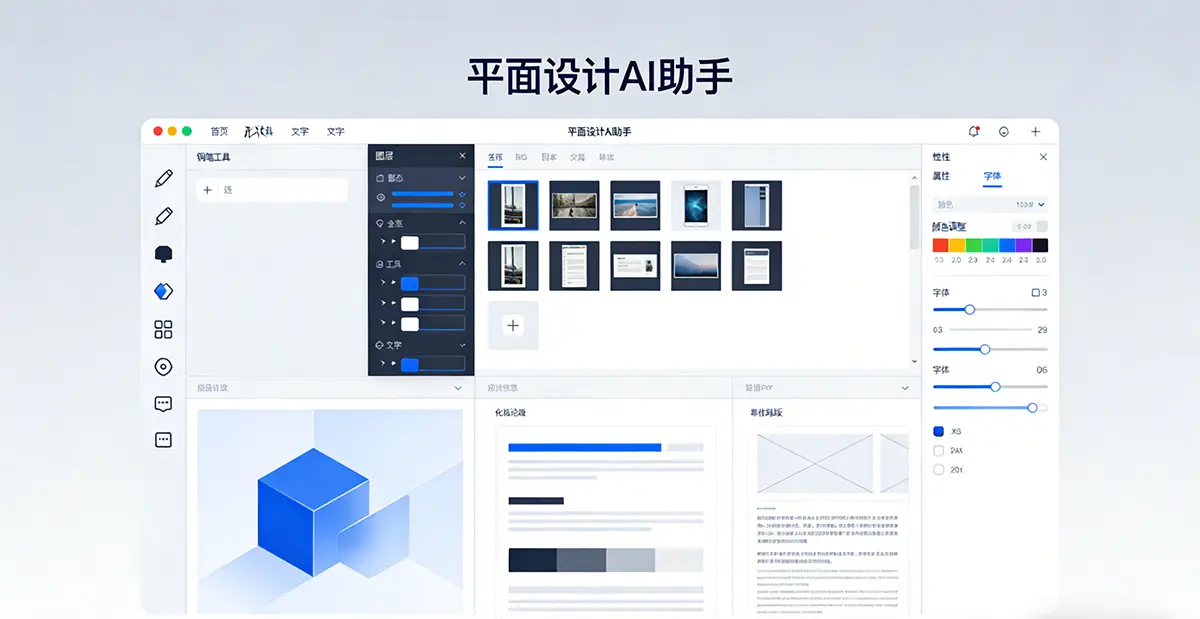
Core Curriculum for the Graphic Design Major
| Module Category | Core Courses |
| Design Fundamentals and Principles | Design Sketching, Two-Dimensional Composition, Color Theory, Three-Dimensional Composition, Design Thinking, Visual Psychology, Grid Systems |
| Core Skills and Expression | Typography, Layout Design, Graphic Creativity, Logo Design, Infographic Design, Printing Techniques and Materials, Book and Publication Design |
| Brand Visual Systems | Brand Identity Design, Corporate Visual Identity System Design, Packaging Design, Wayfinding System Design |
| Digital Media Design | Fundamentals of Web Design, Fundamentals of UI Design, Motion Graphics Design, Social Media Visual Design, Digital Illustration |
| Design Theory and Management | History of Graphic Design, Modern Design Movements, Design Criticism, Design Project Management, Design Research and Methodology |
| Software and Technology | Adobe Creative Suite (Photoshop, Illustrator, InDesign), Figma, After Effects, Fundamentals of Cinema 4D |
| Creation and Practice | Design Workshops, Integrated Design Projects, Competition-Based Projects, Graduation Project (in tracks such as Brand, Publication, or Social Design) |
Advanced Study Pathways for the Graphic Design Major
Master’s (Specialization): Visual Communication Design: Conducts in-depth research in areas like brand systems, typography, information design, and experimental communication. User Experience (UX) Design / Interaction Design: Expands into interactive fields such as digital product interfaces, user research, and service design. Brand Design and Management: Focuses on brand strategy, visual system development, and brand asset management.
Master’s (Interdisciplinary): Design Management: Studies how to manage design teams, processes, innovation, and business strategy. Art Direction: Advances towards the role of visual creative director in advertising, film, television, and media. Typeface Design: Specializes in the design and development of Chinese and Western typefaces.
Other Pathways: Illustration: Develops skills in narrative illustration, commercial illustration, and other fields of pure visual expression. Design Research: Shifts towards academic research in design history, design theory, and design criticism.
Career Paths and Positions for the Graphic Design Major
| Core Employment Fields | Typical Positions | Primary Responsibilities and Skill Application |
| Brand Design Agencies / Advertising Agencies | Brand Designer, Visual Designer, Art Director, Creative Director | Responsible for the visual creativity, strategy, and execution of brand identity and advertising campaigns. |
| Internet Technology Companies | UI Designer, Visual Designer, Operations Designer, Creative Visual Designer | Responsible for the visual design of product interfaces, marketing campaigns, and digital brand assets. |
| Corporate Branding / Marketing Departments (Client-Side) | Brand Designer, Packaging Designer, Marketing Promotion Designer | Responsible for the design, development, and maintenance of all internal visual materials. |
| Media and Publishing Organizations | Art Editor, Visual Editor, Book Designer, Publication Designer | Responsible for the visual planning and design of publications and media content. |
| Design Studios / Freelancing | Independent Designer, Studio Owner/Principal | Serves diverse clients on a project basis, managing the full design process. |
| Cultural Institutions & Public Services | Exhibition Designer, Educational Program Designer (museums, galleries, non-profits) | Responsible for the visual design of exhibitions, educational programs, and cultural events. |
| Educational Institutions | Design Faculty at universities and vocational colleges | Engages in teaching, research, and curriculum development within design disciplines. |
Employment Rate and Industry Trends for the Graphic Design Major
Employment Characteristics: “Sustained High Demand with Rising Entry Barriers”: Positions exist across virtually all industries, but companies increasingly demand designers with comprehensive skills (strategy, creativity, technical ability, communication). “The Portfolio is Decisive”: Core competitiveness in job seeking depends entirely on the quality, completeness, and conceptual depth of one’s personal portfolio. “Fierce Competition for Entry-Level Roles, Scarcity of Senior Talent”: There is an oversupply of entry-level designer positions, while senior designers and art directors capable of strategic thinking and leading complex projects remain in critically short supply. “Income Strongly Tied to Skill and Location”: Senior designers in first-tier cities command considerable earnings, but entry-level salaries are generally modest, with a steep growth curve.
Industry Trends: “From Static to Dynamic, from Print to Experience”: Design outputs are shifting from static print materials to diverse formats like motion graphics, short videos, interactive experiences, and immersive spaces, requiring multi-media skills. “Systematic Thinking and Brand Integration”: Demand has moved beyond isolated posters or banners toward complete brand visual systems, requiring designers to possess top-level architectural thinking. “Data Visualization and Social Design”: Growing need for the visual communication of complex information (business data, public policy, scientific knowledge) and using design thinking to address social issues. “AI as a Creative Collaborator”: AI tools have become standard for generating initial concepts, optimizing workflow, and assisting with layout and color, shifting the designer’s role toward “curator-editor-optimizer.” “Sustainable Design and Ethical Responsibility”: Principles of sustainable and inclusive design—eco-friendly materials, green printing, accessible design—are now industry consensus and professional requirements. “Globalization and Localization Fusion”: The creative integration of international design language with local cultural elements has become key to brand building.
Leading Global Institutions Offering the Graphic Design Major
| Country/Region | Representative Institutions (Top Schools in Graphic Design/Visual Communication) |
| United States | Rhode Island School of Design, Yale School of Art, ArtCenter College of Design, Maryland Institute College of Art, California Institute of the Arts |
| United Kingdom | Royal College of Art, University of the Arts London (especially London College of Communication), Central Saint Martins, Kingston University |
| Europe | Design Academy Eindhoven (Netherlands), Berlin University of the Arts (Germany), Zurich University of the Arts (Switzerland, renowned for grid systems), Politecnico di Milano (Italy) |
| Japan | Tama Art University, Musashino Art University, Tokyo University of the Arts |
| China | Central Academy of Fine Arts (School of Design), China Academy of Art (School of Design and Art), Tsinghua University (Academy of Arts & Design, Department of Visual Communication Design), Guangzhou Academy of Fine Arts (School of Visual Art and Design), Tongji University (College of Design and Innovation) |
| Other | The Hong Kong Polytechnic University (School of Design), Nanyang Technological University, Singapore (School of Art, Design and Media), Hongik University (South Korea) |
Ideal Candidates for the Graphic Design Major
Individuals with a natural sensitivity to visual order, formal beauty, and information logic, coupled with a strong desire to organize. Those with excellent observation, analytical, and problem-solving skills, who enjoy clarifying and visualizing complex information. Candidates with intense curiosity and a drive for learning, capable of continuously tracking new trends in culture, technology, and business. Those with strong communication skills and a collaborative spirit, able to clearly articulate design rationale and accept feedback.
Core Competencies of the Graphic Design Major
Systematic visual problem-solving ability, not merely scattered skills for beautifying images. Solid command of layout, typography, and color, paired with exceptional aesthetic judgment. Comprehensive project execution and management capabilities, from strategy to implementation. The ability to quickly learn and apply cross-media design and cutting-edge tools (e.g., AI, motion graphics).
Study Recommendations for the Graphic Design Major
“Build a Solid Foundation and Hone Core Skills”: Dedicate significant time to mastering fundamental principles like typography, layout, and composition—the cornerstone of design capability. “Establish a Systematic Knowledge Framework”: Study design history and classic theories intensively to understand the logic of design evolution and develop your own design philosophy. “Adopt Project-Driven Learning”: Through simulated or real projects, fully practice the complete process: research → strategy → creativity → execution → presentation. “Curate Your Portfolio Meticulously”: Your portfolio should narrate your thought process, demonstrating how you define problems and solve them through design. “Maintain Broad Visual Intake and Critical Thinking”: Observe outstanding works extensively and learn to analyze and deconstruct their successes. “Embrace Technology, but Guard Against Becoming a Mere Tool Operator”: Actively learn new software and media, but always remember that technology serves creativity and strategy.
Note: Some institutions may categorize this major under different disciplines. Please refer to the specific classification of the target institution.
- The Previous Passage:Fine Arts(Fine Arts)_美术学
- The Next Passage:没有了!
Human Geography Major_Geography(Geog.)_人文地理
The Human Geography Major explores the complex relationships between human activities and space, cul···

Atmospheric Sciences(Atmos. Sci.)_大气科学
Atmospheric science is the study of phenomena and evolutionary patterns within Earth's atmospher···

Earth Sciences(Earth Sci.)_地球科学
The Earth Science major focuses on studying the Earth system and its interactions, providing a scien···
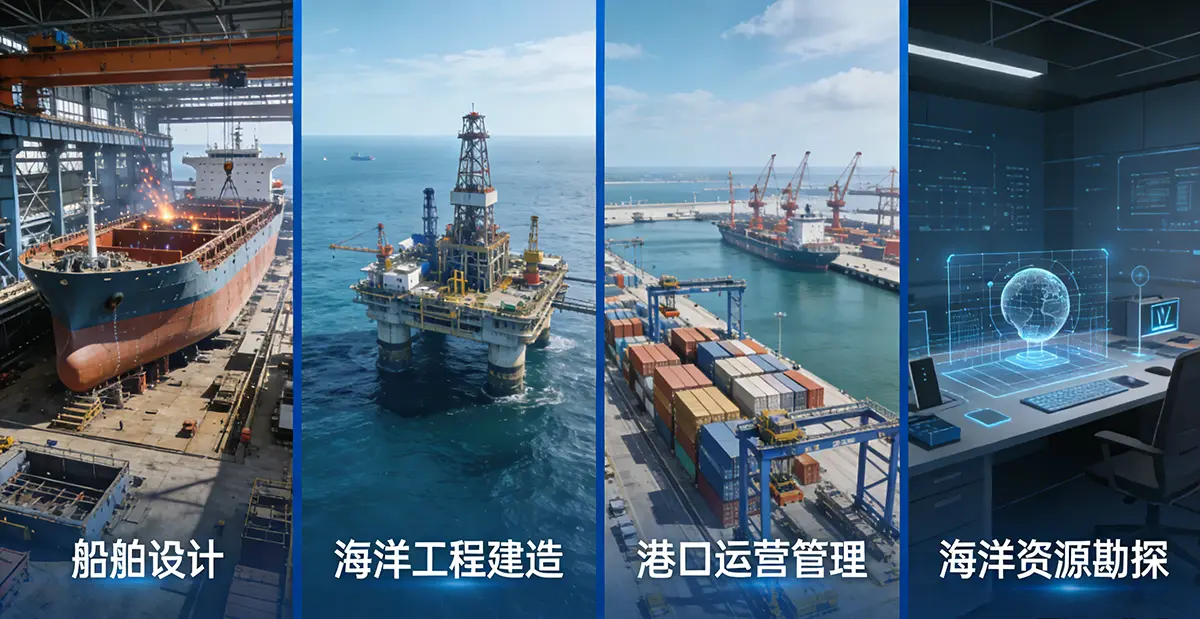
Ship and Ocean Engineering(Ship Ocean Eng.)_船舶与海洋工程
Naval Architecture and Ocean EngineeringNaval Architecture and Ocean Engineering is a core engineeri···

