

Hematology(Hematol.)_血液学
Time:2026-06-14 Visits:0
Hematology Major
Hematology Major is a medical specialty dedicated to the fundamental and clinical study of blood, hematopoietic organs (such as bone marrow), and various blood disorders. It serves both as a foundational discipline exploring blood cell production and physiological functions, and as a clinical discipline directly responsible for diagnosing, treating, and managing diseases of the blood system. If basic medicine seeks to understand the “why” of disease, and clinical medicine addresses the ‘how’ of patient care, then hematology focuses on “the mysteries of blood and the diagnosis and treatment of blood disorders.”
Introduction to Hematology Major: Exploring the Mysteries of Blood and Related Diseases
Hematology Major studies red blood cells, white blood cells, platelets, plasma, and hematopoietic tissues. Its scope spans conditions ranging from benign anemia to malignant diseases like leukemia and lymphoma. This specialty requires both the laboratory skills of a pathologist—using microscopes and flow cytometers to diagnose diseases—and the bedside expertise of a clinician—developing chemotherapy, targeted therapy, or bone marrow transplant plans for patients. Consequently, many top hematologists are “physician-scientists” who excel in basic research, laboratory diagnostics, and clinical treatment.
Its core missions include:
- Diagnosis: Accurately diagnosing hematologic disorders through techniques like complete blood counts, bone marrow aspiration, flow cytometry, and molecular genetics.
- Treatment: Providing personalized therapeutic plans using chemotherapy, radiation therapy, targeted drugs, immunotherapy, and hematopoietic stem cell transplantation.
- Research: Investigating disease mechanisms (e.g., genetic mutations, signaling pathway abnormalities) to identify novel drug targets and therapeutic strategies.
- Management: Providing comprehensive health management for patients requiring long-term treatment (e.g., hemophilia, chronic leukemia) or supportive care (e.g., blood transfusions).
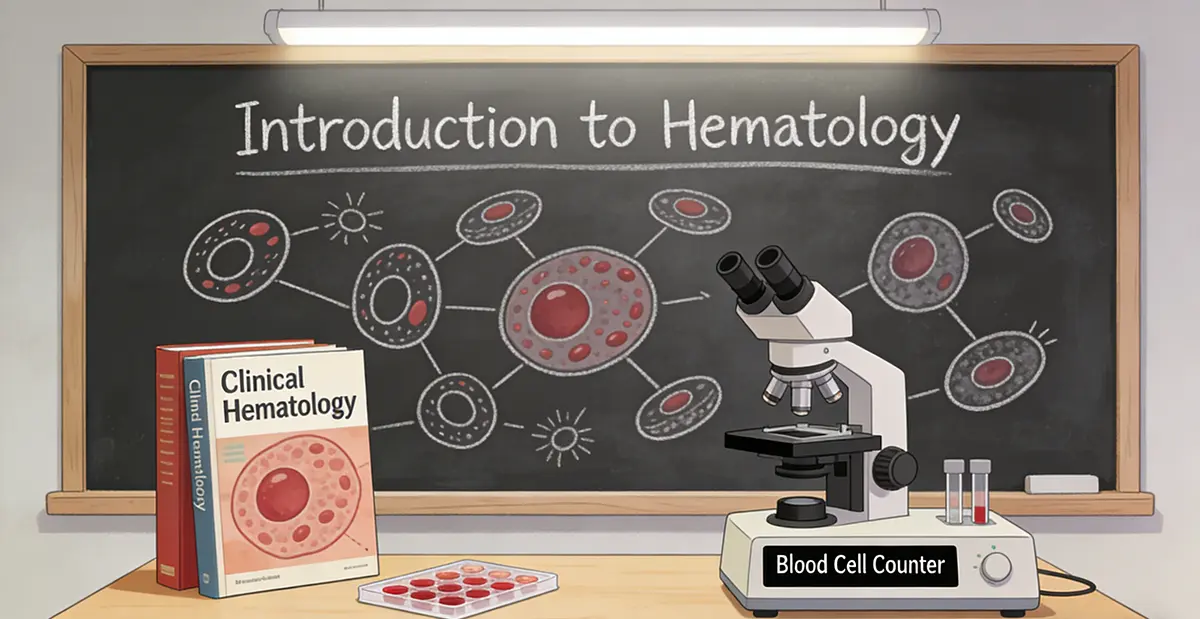
Core Courses at International Institutions
Hematology Major is typically studied in depth after undergraduate completion (with a background in medicine or life sciences). Master's or doctoral programs are highly specialized, emphasizing the integration of theory and practice. Below is a consolidated overview using two UK university master's programs as examples.
| Program Level | Sample Core Courses | Learning Objectives |
| Foundations of Hematology | Normal Hematopoietic Cell Development and Hematopoietic Stem Cell Biology | Deep understanding of blood cell generation, differentiation, and regulatory mechanisms under normal conditions. |
| Clinical Hematology | Clinical Hematology, Hemostasis and Thrombosis, Transfusion Science, Non-Malignant Hematologic Disorders (e.g., Anemia) | Systematic study of clinical manifestations, diagnostic criteria, and treatment principles for various hematologic disorders. |
| Malignant Hematologic Disorders | Molecular Mechanisms and Targeted Therapies for Hematologic Malignancies, Leukemia, Lymphoma, and Myeloma | Focus on pathogenesis, diagnostic classification, and cutting-edge treatment strategies for hematologic malignancies. |
| Laboratory Diagnostics | Hematology laboratory techniques, flow cytometry, molecular biology techniques (PCR, sequencing), cytogenetics | Master core experimental methods and data analysis skills for modern hematologic diagnosis. |
| Research Methods and Ethics | Research methods and ethics, evidence-based medicine, statistics and data analysis | Cultivate critical thinking, research design, and evidence-based practice capabilities to lay foundations for academic research or clinical trials. |
| Research and Projects | Research Thesis/Graduation Project | Complete an original research project related to hematology under faculty supervision. |
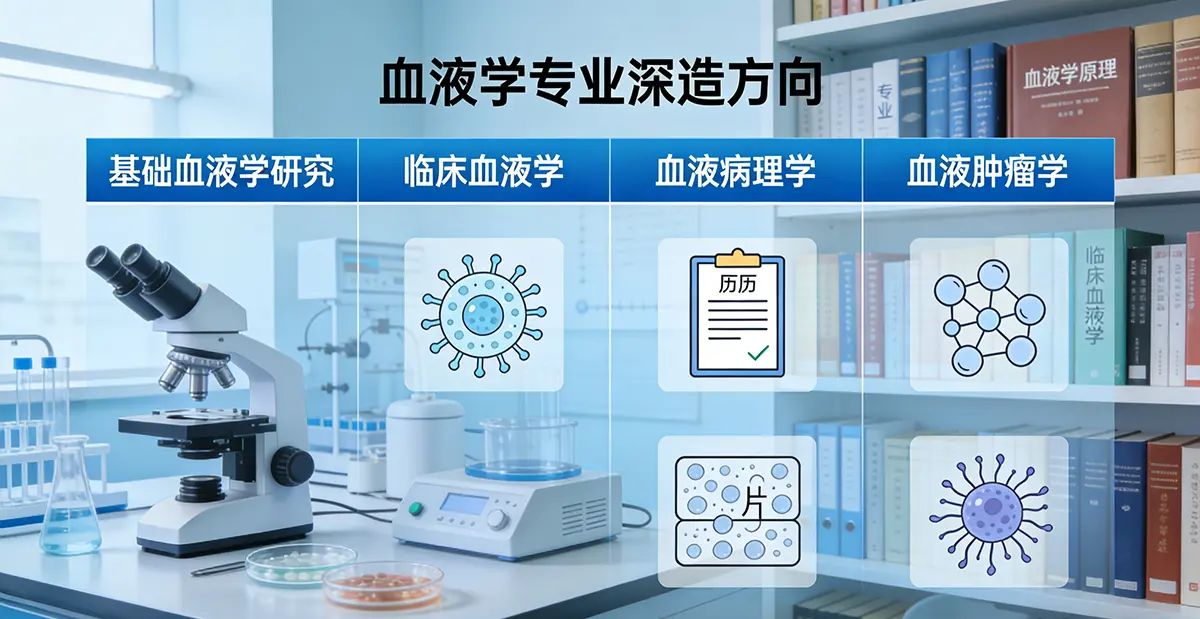
Advanced Study Pathways in Hematology Major
Advanced training in hematology follows a highly structured approach, typically integrated with clinical specialty training or basic/translational research.
- Clinical Hematology/Hematopathology: Designed for physicians holding medical degrees (e.g., MBBS, MD). Following completion of internal medicine residency training, candidates enter a hematology fellowship program to systematically study the diagnosis and treatment of various hematologic disorders, ultimately becoming independently practicing hematologists or hematopathologists. The University of Malaya offers an 8-semester clinical training program encompassing rotations and advanced specialty training.
- Hematology and Transfusion Science: Designed for students with backgrounds in biomedical or life sciences. Through master's or doctoral studies, focus on hematology laboratory diagnostics, transfusion medicine, and blood product quality management to become laboratory scientists or researchers.
- Hematologic Malignancy Research: Concentrates on molecular mechanisms, targeted therapies, immunotherapies (e.g., CAR-T), and drug development for hematologic cancers like leukemia and lymphoma.
- Hematopoietic Stem Cell Transplantation: In-depth research into hematopoietic stem cell biology, transplant immunology, and prevention/management of graft-versus-host disease (GVHD).
- Hemostasis and Thrombosis: Focuses on mechanisms, diagnosis, and anticoagulant/procoagulant therapies for bleeding disorders (e.g., hemophilia) and thrombotic diseases (e.g., deep vein thrombosis).
- Red Blood Cell Disorders: Focus on the pathogenesis and treatment of various anemias (e.g., thalassemia, aplastic anemia) and hemoglobinopathies.
- Pediatric Hematology: Specializes in the unique characteristics of childhood blood disorders, including pediatric leukemia, solid tumors, and the diagnosis and treatment of inherited blood disorders.
International Career Paths and Positions
Hematology professionals are indispensable core personnel within healthcare systems and the biomedical industry. Demand remains consistently high, particularly in regions with high prevalence of blood disorders and rapid advancements in precision medicine.
| Industry Sector | Common Positions | Brief Job Responsibilities |
| Healthcare Institutions | Hematologist, Hematopathologist, Clinical Hematologist, Pediatric Hematologist | Responsible for outpatient and inpatient care, bone marrow transplantation, and follow-up in hospital hematology departments or hematology centers. |
| Diagnostic Laboratories | Hematology Laboratory Scientist, Flow Cytometry Specialist, Molecular Diagnostics Specialist | Operate and maintain diagnostic equipment, issue and review test reports in hospital laboratories or independent medical labs. |
| Blood Banks & Transfusion Departments | Transfusion Medicine Specialist, Blood Bank Director, Quality Management Specialist | Manage blood product collection, testing, storage, matching, and distribution to ensure clinical transfusion safety. |
| Biopharmaceutical Industry | Clinical Research Physician, Medical Science Liaison, Pharmacovigilance Physician, R&D Scientist | Participate in clinical trials and medical support for novel hematology drugs (especially targeted therapies and cell therapy products) at pharmaceutical companies (e.g., Novartis, Roche) or biotechnology firms. |
| Research and Academia | Postdoctoral Fellow, Professor, Research Institute Scientist | Conduct fundamental (e.g., hematopoietic regulation) or translational research (e.g., novel therapy development) in universities or research institutes. |
| Public Health & Government | Policy Advisor, Blood Products Regulator | Participate in developing policies, standards, and regulatory guidelines for blood products at agencies like the National Health Commission or the National Medical Products Administration. |
| Medical Education & Communication | Medical School Professor, Medical Editor | Engage in hematology teaching, medical textbook development, or editing for professional journals. |
Global Employment Rates and Development Trends
Employment Rates: Employment rates for hematology professionals, particularly hematologists with systematic specialty training and senior laboratory scientists, remain high worldwide.
- Graduates of this program at Manchester Metropolitan University in the UK achieve a 92.7% employment or further study rate within 15 months of graduation.
- Internationally, demand for hematology professionals continues to grow due to population aging and rising incidence rates of hematologic malignancies (e.g., leukemia, lymphoma, multiple myeloma). A 2023 study also highlighted concerns about future shortages of hematologists in the United States, prompting top training programs (such as Dana-Farber/Mass General Brigham) to redesign curricula to attract more talent.
- In China, the advancement of hematology subspecialties and the clinical translation of new technologies like cell therapy have created an urgent need for versatile hematology professionals with both clinical and research capabilities.
Salary Levels: As a highly specialized medical field, hematology-related positions command mid-to-high-tier compensation.
- In the U.S., the median annual salary for hematologists typically exceeds $300,000.
- In China, senior hematology specialists are scarce hospital resources, with compensation ranking among the highest across clinical specialties.
- Hematology R&D roles within the biopharmaceutical industry also offer highly competitive salaries.
Industry Trends:
- Revolution in Targeted and Immunotherapies: Targeted drugs for hematologic malignancies (e.g., BTK inhibitors, BCL-2 inhibitors) and immunotherapies (e.g., CAR-T cell therapy, bispecific antibodies) are advancing at unprecedented speed, profoundly reshaping hematology treatment paradigms and driving substantial demand for clinical research and translational medicine professionals.
- Precision Diagnostics and Molecular Subtyping: Next-generation sequencing (NGS)-based gene panels have become standard tools for diagnosing and subtyping hematologic disorders. Future hematologists and laboratory scientists must master the interpretation of molecular diagnostic data.
- Optimization of Hematopoietic Stem Cell Transplantation: Transplantation techniques themselves are advancing, including haploidentical transplantation, umbilical cord blood transplantation, and the prevention and management of post-transplant relapse and GVHD, representing hotspots in hematology research.
- Standardized Management of Benign Hematologic Disorders: With breakthroughs in gene therapy for conditions like hemophilia and thalassemia, alongside the widespread adoption of novel anticoagulants, the diagnosis and treatment of benign hematologic disorders are also entering a period of rapid development.
- Multidisciplinary collaboration as the norm: Diagnosing and treating hematologic disorders requires close cooperation among teams from pathology, radiology, radiation oncology, infectious diseases, and other specialties, placing higher demands on physicians' communication and leadership skills.
Suitable Candidates and Core Competencies for Hematology Major
If you possess the following traits, you may find a sense of belonging and fulfillment in hematology:
- Dual scientific and clinical mindset: You are fascinated by the complex mechanisms of hematologic disorders (e.g., genetic mutations, signaling pathways) while also driven to provide direct patient care at the bedside.
- Exceptional logical reasoning and analytical skills: Diagnosing hematologic disorders often requires integrating clinical presentations, complete blood counts, bone marrow smears, flow cytometry, and genetic results—a step-by-step process akin to solving a medical mystery.
- Patience and empathy: Many hematology patients require long-term, repeated treatments. You must build trust through sustained patience, offering continuous medical support and compassionate care.
- Enthusiasm for embracing new technologies: Hematology is one of medicine's most innovative fields. You should relish learning about novel drugs and therapies while critically evaluating their clinical value.
- Teamwork spirit: Whether performing bone marrow transplants or conducting new drug clinical trials, close collaboration among multidisciplinary teams is essential.
Core Competency: Your core value lies in your comprehensive ability to manage complex hematologic diseases. This encompasses not only deep hematology knowledge and mastery of laboratory diagnostic techniques, but also the capacity to integrate breakthroughs in basic research with clinical practice—delivering precise, personalized, and compassionate treatment plans tailored to each patient.
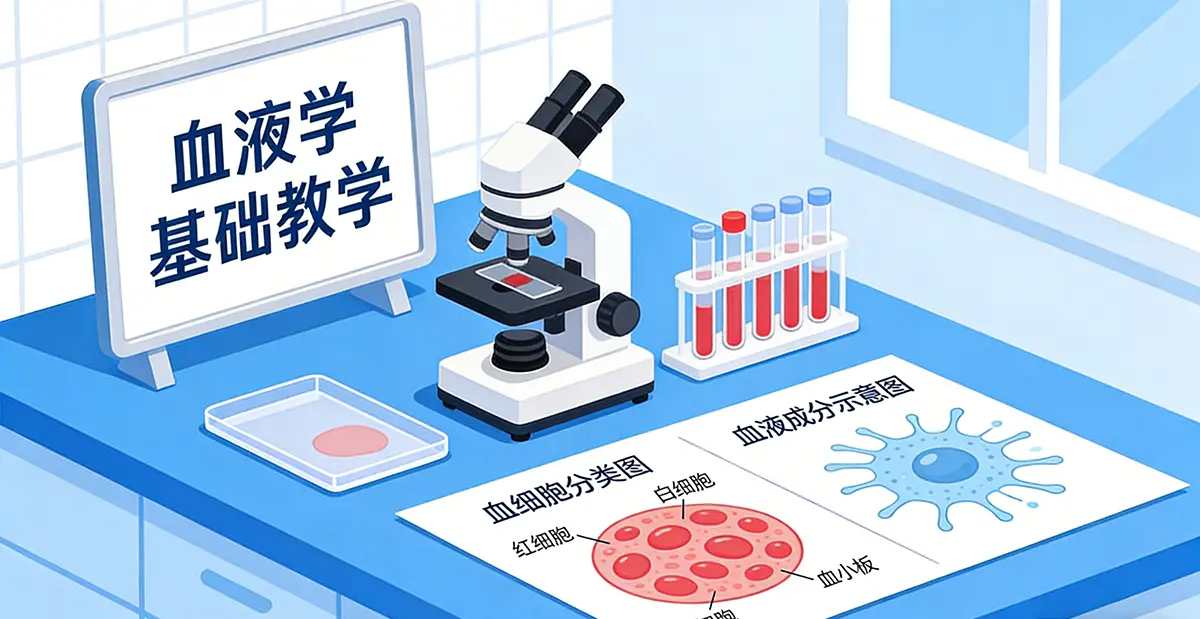
Leading Institutions Worldwide
(Selected Schools - Listed in no particular order)
Hematology Major is typically established as an independent department or research center within top medical schools or major medical centers. Leading global institutions include:
| Country/Region | Representative Institutions/Medical Centers |
| United States | Harvard University/Dana-Farber Cancer Institute, MD Anderson Cancer Center, Memorial Sloan Kettering Cancer Center, Stanford University, University of Pennsylvania |
| United Kingdom | University of Oxford, University of Cambridge, University College London, Imperial College London, University of Manchester, University of Chester |
| Continental Europe | University of Paris, University of Heidelberg, Karolinska Institute |
| Singapore | National University of Singapore |
| China | Chinese Academy of Medical Sciences Institute of Hematology & Blood Diseases Hospital, Peking University People's Hospital, Ruijin Hospital Affiliated to Shanghai Jiao Tong University School of Medicine, The First Affiliated Hospital of Soochow University |
Recommended Pathways for Hematology Major
1. Undergraduate Stage: Build a solid foundation and clarify your direction
- Core: If you aspire to become a clinical hematologist, you need to pursue a medical degree (MBBS/MD) and thoroughly master internal medicine, pediatrics, and fundamental hematology knowledge during this period.
- Core: For those aiming to become hematology laboratory scientists or researchers, pursue related fields such as biomedical sciences, life sciences, or medical laboratory science, with particular emphasis on biochemistry, molecular biology, immunology, and cell biology.
- Practical Experience: Gain early exposure through internships in laboratories or hospital laboratory departments to understand the practical aspects of hematology diagnostics and research, confirming your genuine passion for the field.
2. Post-Graduation Phase: Specialty Training and Advanced Studies
- Clinical Pathway: After completing a medical degree, enter internal medicine residency training. Upon completion, apply for and pass a hematology fellowship, undergoing approximately 3 years of systematic subspecialty training including clinical rotations and research training. Upon successful completion and examination, become a certified hematologist.
- Research/Laboratory Pathway: After completing a relevant undergraduate degree, pursue a Master's or PhD in Hematology or a related field. Master's programs (e.g., MSc Hematology) typically last one year, offering advanced coursework and introductory research training. PhD programs require 3-5 years, focusing on in-depth research into a cutting-edge topic with the goal of making original scientific discoveries.
3. Career Development and Lifelong Learning Phase
- Positioning: After becoming an independent practicing hematologist or senior researcher, you must continue tracking cutting-edge advances in the field. You may specialize in a subspecialty (e.g., CAR-T therapy, bleeding disorders), lead multidisciplinary teams, or spearhead clinical research to advance diagnostic and treatment guidelines.
- Future: Whether in clinical practice, research, or industry, maintaining a lifelong learning mindset is essential. Actively engage in domestic and international academic exchanges to translate cutting-edge scientific advances into improved patient care.
Hematology is a field rich in intellectual challenge and human warmth, chosen by those captivated by the intricacies of life sciences and driven by profound compassion for patients.
- The Previous Passage:Cardiovascular Science(Cardiovasc. Sci.)_心血管科学
- The Next Passage:没有了!

Human Geography Major_Geography(Geog.)_人文地理
The Human Geography Major explores the complex relationships between human activities and space, cul···

Atmospheric Sciences(Atmos. Sci.)_大气科学
Atmospheric science is the study of phenomena and evolutionary patterns within Earth's atmospher···

Earth Sciences(Earth Sci.)_地球科学
The Earth Science major focuses on studying the Earth system and its interactions, providing a scien···
Ocean Sciences(Ocean Sci.)_海洋科学
PbootCMS是全新内核且永久开源免费的PHP企业网站开发建设管理系统,是一套高效、简洁、 强悍的可免费商用的···

