

Cardiovascular Science(Cardiovasc. Sci.)_心血管科学
Time:2026-06-13 Visits:0
Cardiovascular Science Major
The Cardiovascular Science Major is an interdisciplinary field dedicated to studying the structure, function, and disease mechanisms of the heart and vascular system. Integrating basic medicine, biology, and engineering, it aims to provide the scientific foundation for the prevention, diagnosis, and innovative treatment of cardiovascular diseases. This major cultivates talent with deep research capabilities and translational thinking. Graduates can pursue careers in academia, the biopharmaceutical industry, and clinical research. This article introduces its core curriculum, advanced pathways, career prospects, and leading global institutions.
1. Introduction to the Cardiovascular Science Major
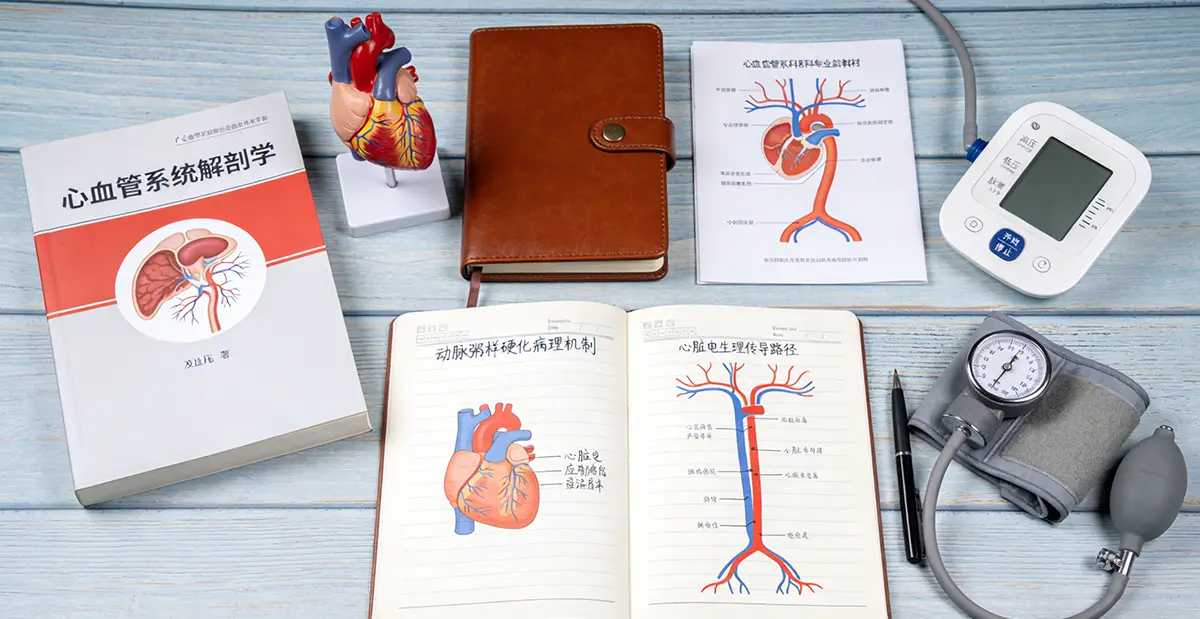
The Cardiovascular Science Major is an interdisciplinary discipline focused on studying the structure, function, physiology, and pathological mechanisms of the heart and vascular system. By integrating knowledge from basic medicine, biology, biophysics, and engineering, it aims to achieve a deep understanding of the normal operational principles of the cardiovascular system and to elucidate the pathogenesis of diseases such as hypertension, atherosclerosis, heart failure, and arrhythmias. This Major represents a core frontier in modern medical research, providing the essential scientific foundation for the prevention, diagnosis, treatment, and development of innovative therapies for cardiovascular diseases.
2. Core Curriculum of the Cardiovascular Science Major
| Module Category | Core Courses |
| Basic Medical Sciences & Biology Core | Human Anatomy (cardiovascular focus), Histology & Embryology, Physiology (cardiovascular focus), Biochemistry, Cell Biology, Molecular Biology |
| Cardiovascular Systems Specialization | Cardiovascular Pathophysiology, Vascular Biology, Cardiac Electrophysiology, Cardiovascular Pharmacology, Fundamentals of Cardiovascular Imaging, Cardiovascular Biomechanics |
| Research Methods & Techniques | Cardiovascular Experimental Techniques, Molecular Cardiovascular Pathology, Animal Disease Models (e.g., MI, heart failure), Isolated Heart Perfusion, Fundamentals of Patch-Clamp Technique, Bioinformatics & Omics Analysis |
| Clinical & Translational Introduction | Introduction to Cardiology, Cardiovascular Epidemiology, Fundamentals of Interventional Cardiology, Applications of Regenerative Medicine in Cardiology |
| Interdisciplinary & Supporting Disciplines | Biostatistics, Fundamentals of Biomedical Engineering (e.g., biomaterials, devices), Fundamentals of Fluid Mechanics, Scientific Writing & Critical Thinking |
3. Advanced Study Pathways for the Cardiovascular Science Major
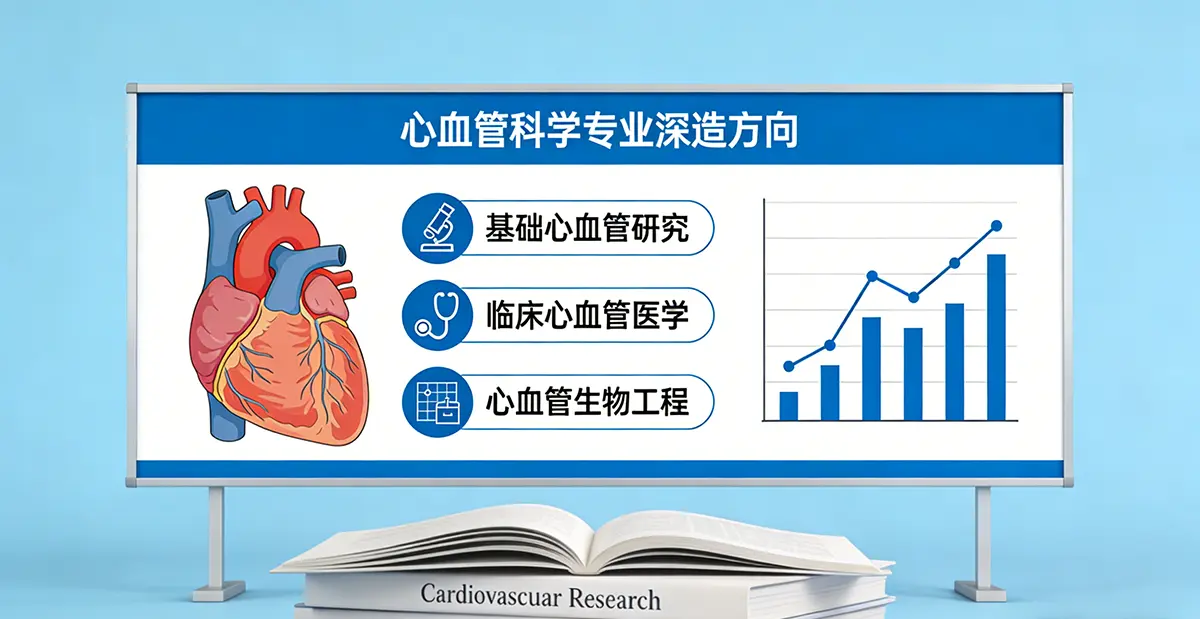
Pursuing a PhD in Cardiovascular Science or Biomedical Science is the core pathway for graduates of the Cardiovascular Science Major aiming to conduct frontier research on disease mechanisms for careers in academia or high-end industry R&D. The Doctor of Medicine (MD) degree is the essential route to becoming a cardiologist or cardiac surgeon, where a background in this Major provides a significant advantage. Professional Master’s programs offer focused tracks in Cardiovascular/Biomedical Engineering, Clinical Research/Epidemiology, or Translational Medicine. Furthermore, the Cardiovascular Science Major provides a strong foundation for interdisciplinary advancement into fields like Bioinformatics, Computational Biology, or Drug Discovery, particularly for cardiovascular applications.
4. Career Paths for the Cardiovascular Science Major
Graduates of the Cardiovascular Science Major find clear demand across the full spectrum from basic research to clinical application. In Academic Research, they become professors, researchers, or postdocs at universities and specialized heart centers. Within the Biopharmaceutical and Medical Device Industry, the Cardiovascular Science Major leads to roles as discovery scientists, preclinical researchers, clinical trial managers, and R&D engineers for cardiovascular implants in leading companies. For those pursuing clinical paths, it provides an excellent foundation for becoming cardiologists or cardiac surgeons (with additional medical training). Furthermore, graduates can enter Regulatory Affairs, Policy, or Investment sectors, serving as reviewers in agencies or analysts in consulting and venture capital firms focused on healthcare.
5. Employment and Industry Trends for the Cardiovascular Science Major
The employment landscape for the Cardiovascular Science Major is characterized by “high barriers to entry but high value.” Advanced degrees and specialized research experience are paramount. The field benefits from strong counter-cyclical stability due to the persistent global burden of cardiovascular disease, ensuring steady R&D investment. Salaries in academia are moderate, while industry R&D roles offer competitive compensation and clear career progression.
Key industry trends creating opportunities for graduates of the Cardiovascular Science Major include: the shift towards Precision and Personalized Medicine using omics data; the rise of Digital Health and wearables for continuous monitoring; innovations in Minimally Invasive Interventional Techniques (e.g., TAVR); promising advances in Cardiac Regeneration and Repair therapies; and the growing integration of Artificial Intelligence and Big Data in imaging, prediction, and drug discovery.

6. Leading Global Institutions Offering the Cardiovascular Science Major
The Cardiovascular Science Major is typically offered as a key research focus or graduate program within top medical schools, biomedical engineering departments, or life sciences faculties. Standalone undergraduate majors are rare, but students can specialize in cardiovascular science within related disciplines.
| Country/Region | Representative Institutions (Global Leaders in Cardiovascular Research) |
| United States | Harvard Medical School, Johns Hopkins School of Medicine, Stanford School of Medicine, University of California, San Francisco (UCSF) |
| United Kingdom | University of Oxford (Dept. of Cardiovascular Medicine), Imperial College London (National Heart & Lung Institute), University College London (UCL) |
| Europe | Karolinska Institute (Sweden), Erasmus University Medical Center (Netherlands) |
| Canada | University of Toronto (Heart & Stroke Foundation Research Centre) |
| China | Fuwai Hospital (CAMS), Zhongshan Hospital (Fudan University), Beijing Anzhen Hospital (Capital Medical University) |
DisciplineMajor Recommendations
Ideal Candidates for the Cardiovascular Science Major:
This major is ideal for individuals with a strong research interest and sense of mission regarding the intricate workings of the heart and circulatory system and the challenges of cardiovascular diseases. They possess a solid foundation in biology, chemistry, and physics, along with rigorous logic and strong practical skills. They aspire to contribute at the intersection of basic research and clinical application and are prepared for intensive, long-term scientific training. Teamwork and collaboration skills are essential, as cardiovascular research is inherently multidisciplinary.
Core Competencies of the Cardiovascular Science Major:
The Cardiovascular Science Major builds a deep understanding of the physiological and pathological mechanisms of the cardiovascular system. It develops proficiency in cardiovascular-specific experimental models and cutting-edge research techniques. Graduates gain strong data-driven research capabilities and translational thinking, as well as the ability to communicate and collaborate effectively with clinicians and engineers.
Learning Recommendations for the Cardiovascular Science Major:
Strengthen your foundation in mathematics, physics, chemistry, and biology—this is essential for understanding complex mechanisms and conducting quantitative research. Seek early hands-on experience in a cardiovascular research lab to gain end-to-end exposure from animal models to molecular studies. Acquire complementary engineering and computational skills, such as biomechanical modeling or bioinformatics, to build interdisciplinary advantages. Stay informed about clinical needs by regularly reviewing top cardiology journals to understand how unmet demands drive research. Finally, define your career goals early—whether aiming for a research PhD, clinical MD, or combined MD-PhD path—and strategically plan your coursework and research experiences accordingly.
*Note: Program classification may vary by institution; always verify the specific structure at your chosen university.*
- The Previous Passage:Financial Engineering(Financ. Eng.)_金融工程
- The Next Passage:没有了!

Human Geography Major_Geography(Geog.)_人文地理
The Human Geography Major explores the complex relationships between human activities and space, cul···

Atmospheric Sciences(Atmos. Sci.)_大气科学
Atmospheric science is the study of phenomena and evolutionary patterns within Earth's atmospher···

Earth Sciences(Earth Sci.)_地球科学
The Earth Science major focuses on studying the Earth system and its interactions, providing a scien···
Ocean Sciences(Ocean Sci.)_海洋科学
PbootCMS是全新内核且永久开源免费的PHP企业网站开发建设管理系统,是一套高效、简洁、 强悍的可免费商用的···

