

Human Evolution Research(Hum Evol Res)_人类进化研究
Time:2026-06-21 Visits:0
Human Evolution Studies Major
The Human Evolution Studies Major is an interdisciplinary field investigating human origins, adaptation, and biocultural history. This guide details its rigorous curriculum, research-focused advanced pathways, and academic career prospects. Explore how this Major leverages paleogenomics and fossil analysis to answer fundamental questions about our past and discover leading global institutions in Human Evolution Studies.
1. Introduction to the Human Evolution Studies Major
The Human Evolution Studies Major is a highly focused, interdisciplinary frontier science dedicated to tracing and interpreting the origins, diversification, and adaptive changes within the human lineage. It integrates theories and methodologies from paleoanthropology, comparative anatomy, paleoecology, geochronology, paleogenomics, and evolutionary developmental biology. This Major aims to reconstruct the evolutionary history, behavioral shifts, and biocultural adaptation processes from early hominins to modern *Homo sapiens*. As the core scientific discipline addressing the ultimate questions of “Who are we, and where did we come from?”, the Human Evolution Studies Major provides a foundational understanding of our species’ journey.

2. Core Curriculum for the Human Evolution Studies Major
| Module Category | Core Courses |
| Theoretical Foundations | Evolutionary Theory, Introduction to Human Evolution, Comparative Primate Anatomy, Fundamentals of Evolutionary Developmental Biology |
| Core Research Areas | Paleoanthropology, Paleoecology & Paleoenvironmental Reconstruction, Early Human Technology & Behavior, Human Skeletal Biology, Dental Micromorphology & Dietary Reconstruction |
| Research Methods & Techniques | Fundamentals of Geology & Sedimentology, Dating Techniques (e.g., Ar-Ar, C14, OSL), Morphometrics (Geometric Morphometrics), Fundamentals of Ancient DNA & Proteomics |
| Related Disciplines | Paleolithic Archaeology, Primate Behavioral Ecology, Quaternary Geology, Paleoclimatology |
| Data Analysis & Modeling | Evolutionary Statistics, Phylogenetic Analysis, Ecological Niche Modeling, Scientific Programming (R/Python) |
| Science Communication & Ethics | Scientific Writing in Human Evolution, Research Ethics (Human Remains & Data Sharing) |
3. Advanced Study Pathways for the Human Evolution Studies Major
PhD in Human Evolutionary Biology/Paleoanthropology: The primary path for cutting-edge research, focusing on new fossil discoveries, paleogenomics, and evolutionary mechanisms of adaptive traits (e.g., bipedalism, encephalization).
Master's/PhD in Archaeological Science: Emphasizes studying human behavioral evolution through material culture (e.g., stone tools).
PhD in Evolutionary Genetics/Genomics: Utilizes ancient and modern genomic data to investigate population history and natural selection.
Master's in Geology/Quaternary Science: Focuses on stratigraphic, chronological, and environmental context reconstruction.
Master's in Museum & Heritage Science: Involves the conservation, management, and public presentation of hominin fossils.
Master's in Data Science: Specializes in analytical methods for big data in evolutionary biology, morphology, or ecology.
4. Career Paths for the Human Evolution Studies Major
As a highly fundamental research discipline, career paths are predominantly concentrated in academia and related support institutions.
Academia & Research Institutions (Primary Pathway)
University Departments (Anthropology, Evolutionary Biology, Earth Sciences): Professor, Researcher, Postdoctoral Fellow (PhD required).
Top-Tier Research Institutes: Institute of Vertebrate Paleontology & Paleoanthropology (IVPP, China), Smithsonian National Museum of Natural History (USA), Muséum National d'Histoire Naturelle (France), Max Planck Institute for Evolutionary Anthropology (MPI-EVA, Germany).
Natural History Museums: Paleoanthropology Curator, Researcher, Science Education Officer.
Applied & Support Fields
Scientific Publishing & Media: Editor (e.g., *Nature*, *Science*), Science Journalist, Documentary Researcher.
Cultural Heritage & Tourism Management: Roles at major sites (e.g., Zhoukoudian, Olduvai Gorge) in research management, public interpretation, and development.
Higher Education Administration: Research project or laboratory management within universities.
Knowledge Translation
Science Communicator/Producer: Translating complex evolutionary discoveries for public audiences.
Technology Companies (Rare niche): Applying skills in phylogenetic analysis or modeling to bioinformatics or AI.

5. Employment Rate & Industry Trends for the Human Evolution Studies Major
Employment Rate Characteristics
“An Elite Field”: Stable academic positions globally are extremely limited, with fierce competition for scarce tenure-track or permanent research roles.
“Outcome-Driven & Global”: Career advancement hinges on high-impact publications, significant fossil discoveries, or methodological breakthroughs, requiring a strong international reputation.
“Long-Term Commitment & Uncertainty”: The lengthy doctoral and postdoctoral phases entail significant career uncertainty, demanding strong intrinsic motivation and passion for the science.
Salary Outlook: Postdoc salaries in developed nations are moderate. Tenured positions offer stable, respectable income, though typically lower than high-paying industry roles.
Industry Trends
Paleogenomics as the Dominant Paradigm: Ancient DNA has revolutionized the field. Future work shifts to proteomics and paleoepigenomics of older samples to uncover deeper evolutionary details.
Multidisciplinary & Big Data Integration: Combining paleoclimate models, paleoecology, genomics, and quantitative morphology to build refined evolutionary scenarios.
Advanced Fossil Imaging: Non-destructive techniques (e.g., synchrotron radiation, micro-CT, 3D printing) enable detailed study of internal fossil structures.
Geographic Expansion: Research focus is expanding beyond Africa, Europe, and East Asia to Southeast Asia, Oceania, and the Americas.
Complex Early Human Behavior: Studies on fire use, symbolism, art, and burial practices continually revise the timeline for “human” cognitive traits.
Ethics & Public Engagement: Increased emphasis on community collaboration at fossil sites and responsible science communication.
6. Leading Global Institutions for the Human Evolution Studies Major
| Country/Region | Representative Institutions/Research Centers |
| International Top Institutes | Max Planck Institute for Evolutionary Anthropology (Germany), National Museum of Natural History (France) |
| United States | Harvard University, Arizona State University (Institute of Human Origins), UC Berkeley, University of Wisconsin–Madison |
| United Kingdom | University College London, University of Oxford, University of Cambridge, University of Liverpool |
| China | Institute of Vertebrate Paleontology & Paleoanthropology (CAS), Peking University, Fudan University, Yunnan University |
| Other Countries | Australian National University, University of Cape Town (South Africa), Hebrew University of Jerusalem (Israel) |
DisciplineMajor Recommendations
Ideal Candidates for the Human Evolution Studies Major
Possess an insatiable, childlike curiosity about human origins and ambition to tackle grand scientific questions.
Demonstrate exceptional patience, perseverance, and meticulous attention to detail.
Have strong spatial reasoning, logical thinking, and a solid foundation in natural sciences.
Can accept highly uncertain career prospects, finding primary reward in scientific discovery itself.
Core Competencies of the Major
Ability to synthesize fragmentary fossil, geological, and genetic evidence into coherent narratives.
Mastery of at least one cutting-edge research methodology (e.g., geometric morphometrics, phylogenetic modeling, paleogenomics).
Interdisciplinary communication skills to collaborate effectively with geologists, geneticists, and archaeologists.
Capacity for clear, compelling science communication on international platforms.
Study Recommendations
Pursue Academic Excellence: Aim for first-author publications from top laboratories during undergraduate/master's studies.
Master Multidisciplinary Tools: Proactively learn geology, statistics, and programming beyond the core discipline.
Build an International Network: Connect with field leaders via conferences, correspondence, and visiting opportunities.
Gain Early Field Experience: Seek excavation opportunities in key regions like Africa and Eurasia.
Prepare for Academic Challenges: Cultivate resilience and maintain hobbies/support systems outside work.
Maintain an Open Mindset: Develop transferable skills alongside specialized training to keep diverse career paths viable.
*Note: Program classification varies by institution; verify specific disciplinary categories.*
- The Previous Passage:Human Development and Education(Hum Dev & Educ)_人类发展和教育
- The Next Passage:没有了!

Human Geography Major_Geography(Geog.)_人文地理
The Human Geography Major explores the complex relationships between human activities and space, cul···

Atmospheric Sciences(Atmos. Sci.)_大气科学
Atmospheric science is the study of phenomena and evolutionary patterns within Earth's atmospher···
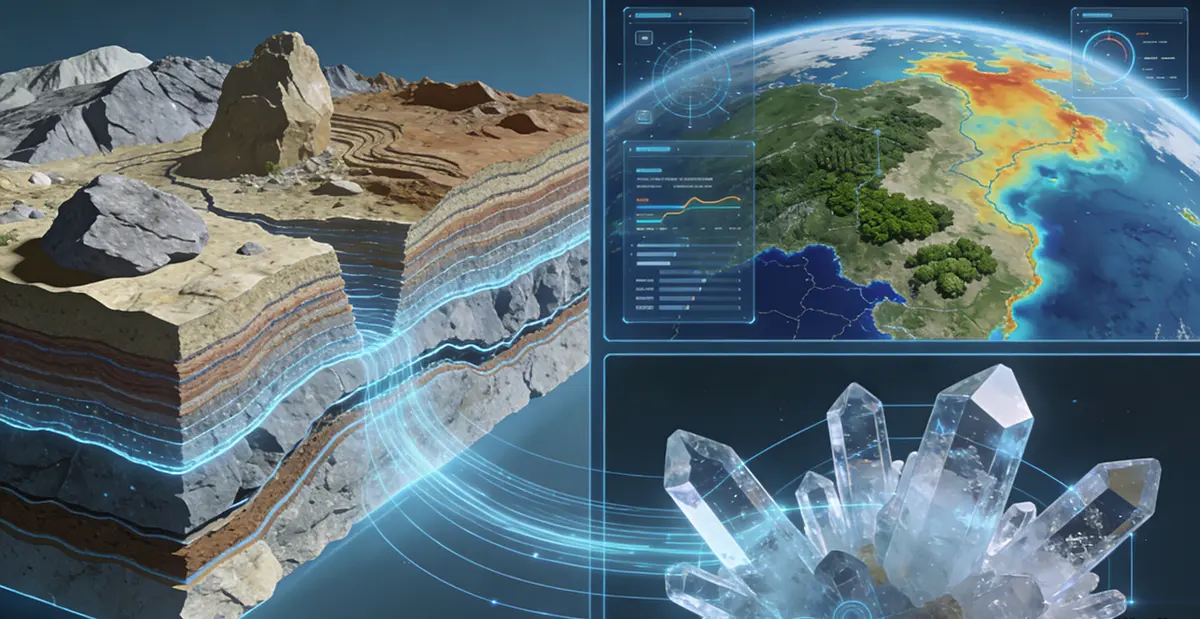
Earth Sciences(Earth Sci.)_地球科学
The Earth Science major focuses on studying the Earth system and its interactions, providing a scien···
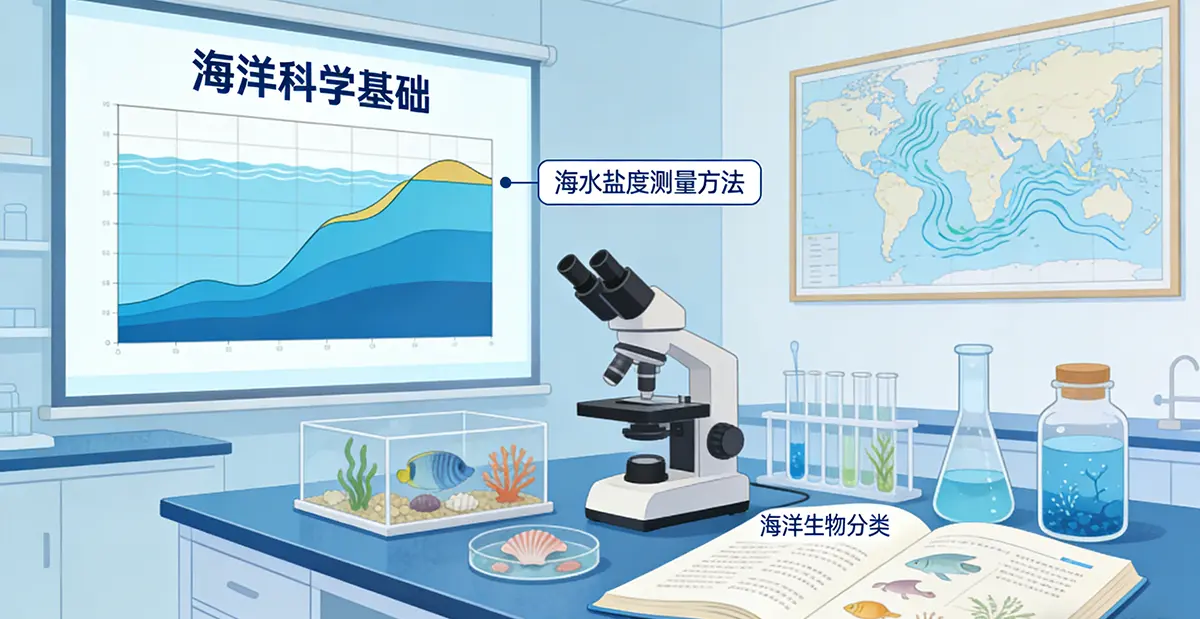
Ocean Sciences(Ocean Sci.)_海洋科学
PbootCMS是全新内核且永久开源免费的PHP企业网站开发建设管理系统,是一套高效、简洁、 强悍的可免费商用的···

