

Agricultural Sciences(Agric. Sci.)_农学
Time:2026-03-08 Visits:5
Agricultural Science
Agricultural science is the foundational discipline underpinning human survival and development. In 2026, amid intensifying climate change and food security challenges, it is undergoing a profound transformation from “traditional production” to the deep integration of “biotechnology + information technology + intelligent equipment.”
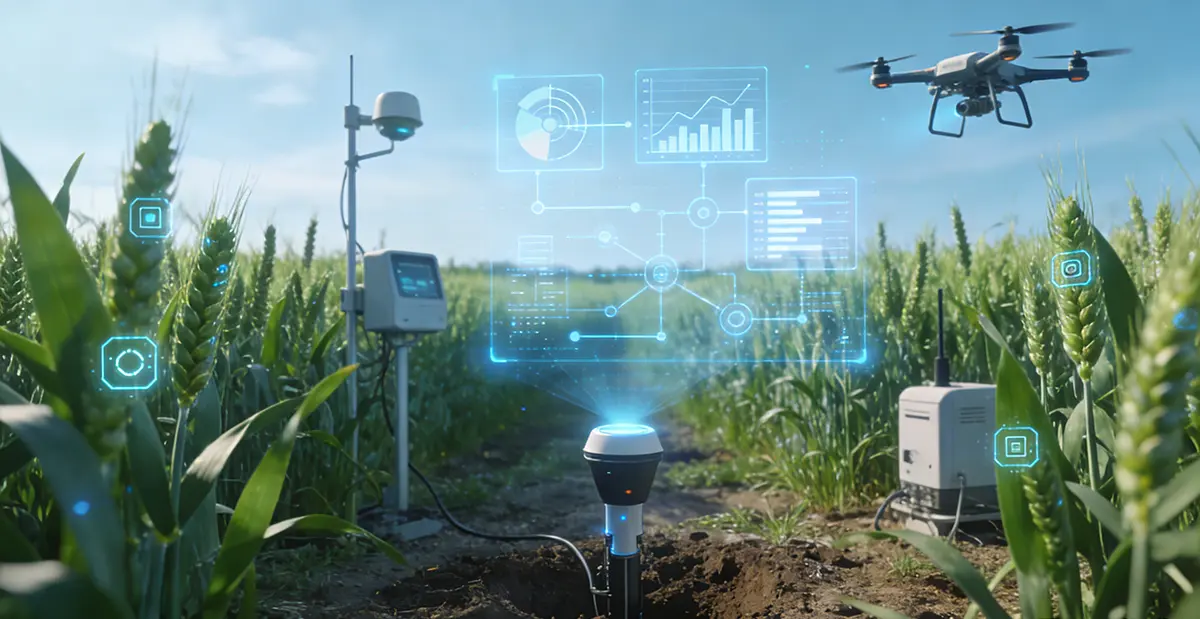
Introduction to Agricultural Science Major
Agricultural science is a comprehensive applied discipline focused on crop production. It primarily explores the growth and development patterns of crops, high-yield and high-quality cultivation techniques, genetic breeding methods, soil and fertilizer management, pest and disease control, and the optimized management of agricultural ecosystems.
If human society were likened to a skyscraper, agronomy serves as its “foundation engineering”—ensuring sufficient food, fiber, and fuel for billions to survive and thrive. From seeds in the field to food on the table, from cotton and linen textiles to bioenergy, agronomy spans the entire agricultural value chain.
International Perspective on Disciplinary Characteristics: Agronomy is a highly internationalized field intrinsically linked to national food security. Wageningen University in the Netherlands leads globally in sustainable agricultural systems research; the University of California, Davis excels in crop science and viticulture; France's Montpellier AgriTech focuses on Mediterranean and tropical agriculture; and China Agricultural University boasts strong capabilities in crop genetics and breeding, as well as agricultural mechanization. This is a practice-oriented, interdisciplinary field with stable global demand.
Core Curriculum at International Institutions
Agricultural programs at top global universities emphasize “theory-practice integration and science-technology balance,” typically structured in modules: “Core Foundations + Specialized Deepening + Integrated Practice.”
Core Foundations Module (Combining University of Hohenheim, University of Melbourne, and University of Padua):
- Natural Science Foundations: Biology, Chemistry, Physics, Mathematics & Statistics
- Agricultural Foundations: Botany, Plant Physiology, Soil Science Fundamentals, Genetics Fundamentals
- Economics & Society: Agricultural Economics, Rural Sociology, Farm Management Fundamentals
Specialized Deepening Module (Example: University of Melbourne):
| Specialization | Core Courses | Application Areas |
| Crop Production | Agronomy, Crop Production Systems, Plant Breeding and Genetics | Field crop and horticultural crop cultivation management |
| Soil and Water Management | Soil Management, Irrigation and Water Management, Soil Fertility | Precision irrigation, soil improvement, water-fertilizer integration |
| Plant Protection | Plant Pathology, Agricultural Entomology, Weed Science | Pest and Disease Control, Integrated Pest Management |
| Animal Production Systems | Animal Production Systems, Production Animal Health | Grazing Management, Pasture Management |
| Precision Agriculture | Precision Agriculture Applications, Agricultural Technology Extension | UAV Remote Sensing, Variable Rate Fertilization, Smart Equipment |
Specialized Frontier Modules (Example: University of Hohenheim):
- Tropical Agricultural Systems: Tropical Crop Production, Smallholder Farming Systems
- Biomass Energy: Biomass Utilization for Energy and Materials
- Organic Agriculture: Organic Farming Systems, Ecological Agriculture
- Agricultural Engineering: Agricultural Mechanization, Agricultural Structures and Facilities
- Climate and Agriculture: Impacts of Weather and Climate Change on Agriculture
Integrated Practical Modules (Comprehensive):
- Internships: Hohenheim University requires an “integrated internship” for hands-on experience with agricultural challenges and solutions
- Professional Practice Courses: The University of Melbourne offers “Agricultural Professional Practice” to develop career competencies
- Farm Systems Analysis: The University of Western Australia emphasizes understanding soil, water, plants, livestock, and management interactions at the farm level
Features of Montpellier's International Master's in Agronomy and Agrosciences (Master 3A):
- Two-year international master's program for global students, taught in French
- First year focuses on foundational science and technology; second year offers specialized tracks
- Includes a 6-month professional internship and master's thesis
- 79% of graduates secure employment or pursue further studies within three months of graduation
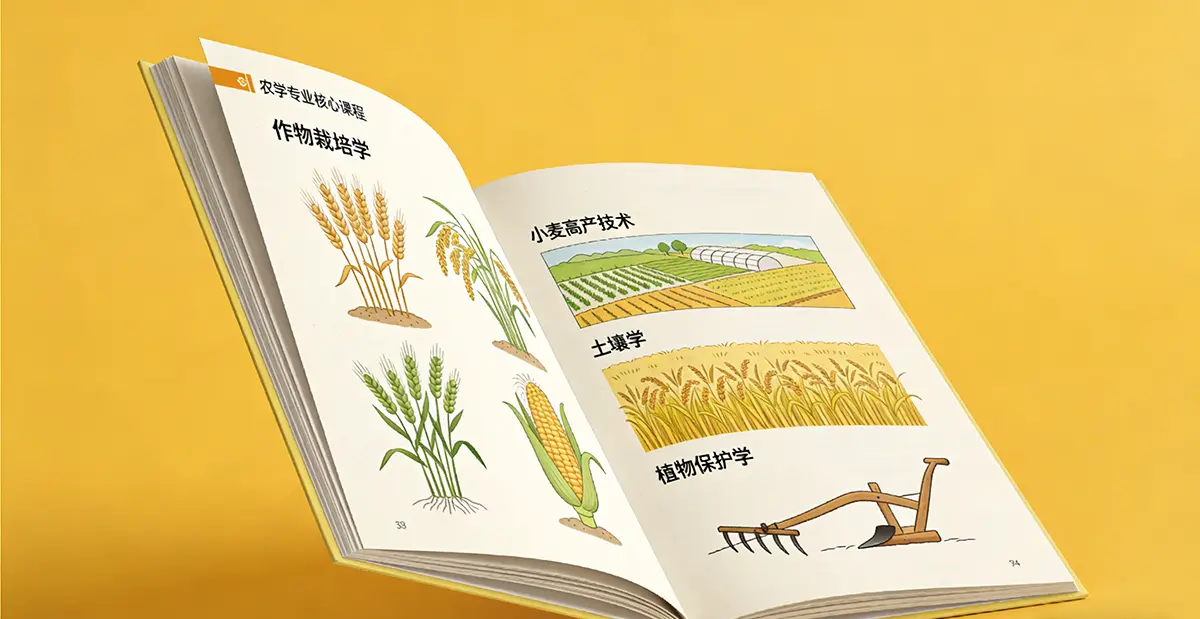
Further Study Paths for Agricultural Science Major
Master's and doctoral research specializations are highly specialized and cutting-edge, primarily covering the following fields:
Crop Science:
- Crop Genetics and Breeding: Molecular marker-assisted breeding, gene editing technologies (e.g., CRISPR/Cas9), genomic selection, stress-tolerant variety development
- Crop Physiology and Cultivation: Crop growth modeling, high-yield efficient cultivation, stress physiology (drought, salinity, heat)
- Seed Science and Technology: Seed production, seed viability, germplasm resource conservation
Soil and Plant Nutrition:
- Soil Physics and Chemistry: Soil structure, nutrient cycling, soil degradation and remediation
- Plant Nutrition Physiology: Nutrient uptake mechanisms, rhizosphere microbiome, fertilizer efficiency
- Soil Microbiology: Rhizosphere Microbes, Mycorrhizal Fungi, Biofertilizers
Plant Protection:
- Plant Pathology: Pathogen-Host Interactions, Epidemics, Biological Control
- Agricultural Entomology: Integrated Pest Management, Natural Enemy Utilization, Insect Chemical Ecology
- Weed Science: Weed Biology, Herbicide Resistance, Ecological Weed Control
Agricultural Ecosystems:
- Agroecology: Farmland biodiversity, ecological farming systems, ecosystem services
- Climate Change Adaptation: Agricultural carbon footprint, climate-smart agriculture, adaptation technologies
- Organic Agriculture: Organic cropping systems, organic certification, alternative inputs
Emerging Interdisciplinary Areas:
- Smart Agriculture: UAV remote sensing, precision variable-rate technology, Agri-IoT, agricultural AI models
- Biotech Breeding: Genome-wide selection, gene editing breeding, synthetic biology
- Agriculture and Food Systems: Food security, value chain analysis, agricultural policy
International Career Pathways and Positions
Agricultural science graduates are in high demand globally, with career opportunities spanning the entire agricultural value chain and multiple related fields.
Core Employment Sectors (based on University of Western Australia, University of Padua, Montpellier programs):
| Field | Typical Employers | Representative Positions |
| Agribusiness | Syngenta, Bayer, Corteva, Cargill | Agronomist, Technical Representative, Product Manager |
| Agricultural Consulting | Agricultural consulting firms, independent consultants | Agricultural consultant, farm management advisor |
| Government Agencies | Ministry of Agriculture, agricultural extension stations, research institutes | Agricultural policy analyst, extension officer |
| International Organizations | FAO, IFAD, World Bank, WFP | Agricultural program officer, technical specialist |
| Finance/Banking | Agricultural Banks, Agricultural Insurance, Investment Firms | Agricultural Credit Analysts, Agricultural Risk Assessors |
| AgriTech | Precision Agriculture Companies, Biotechnology Firms | R&D Scientists, Technology Application Specialists |
| Food Industry | Food Processing Enterprises, Agricultural Commodity Trading Companies | Raw Material Procurement, Quality Management |
| Education & Research | Universities, Research Institutes | Researchers, Lecturers, Extension Specialists |
Representative Global Positions (Based on Latest Industry Data):
1. Agronomist: Provides crop production management advice to farms or agribusinesses, develops planting plans, fertilization programs, and pest control strategies
2. Crop Consultant: Offers specialized technical guidance to growers, diagnoses field issues, and recommends solutions
3. Breeder: Engages in new variety development at seed companies or research institutions using traditional and molecular breeding techniques
4. Agricultural Extension Officer: Disseminates cutting-edge agricultural techniques to farmers through government agencies, organizes training programs, and resolves production challenges
5. Soil Scientist: Studies soil management, fertility enhancement, and soil remediation to provide technical support for sustainable agriculture
6. Agricultural Policy Analyst: Researches agricultural policies for governments or international organizations, analyzes market trends, and formulates policy recommendations
7. Agricultural Credit Analyst: Assesses agricultural loan risks at financial institutions by evaluating farm operations and repayment capacity
8. Agricultural Technical Sales: Sell seeds, fertilizers, pesticides, or agricultural equipment for agribusinesses while providing technical support
Salary Levels (International Reference):
- Australia: Graduates in Agricultural Science from the University of Western Australia enjoy extensive employment opportunities amid industry talent shortages
- France: 44% of Montpellier International Master's graduates secure direct employment, while 18% pursue doctoral studies
- United States: Agronomists earn a median annual salary of approximately $60,000–80,000; breeders can reach $90,000+
- International Organizations: Positions at institutions like the FAO offer competitive compensation and benefits
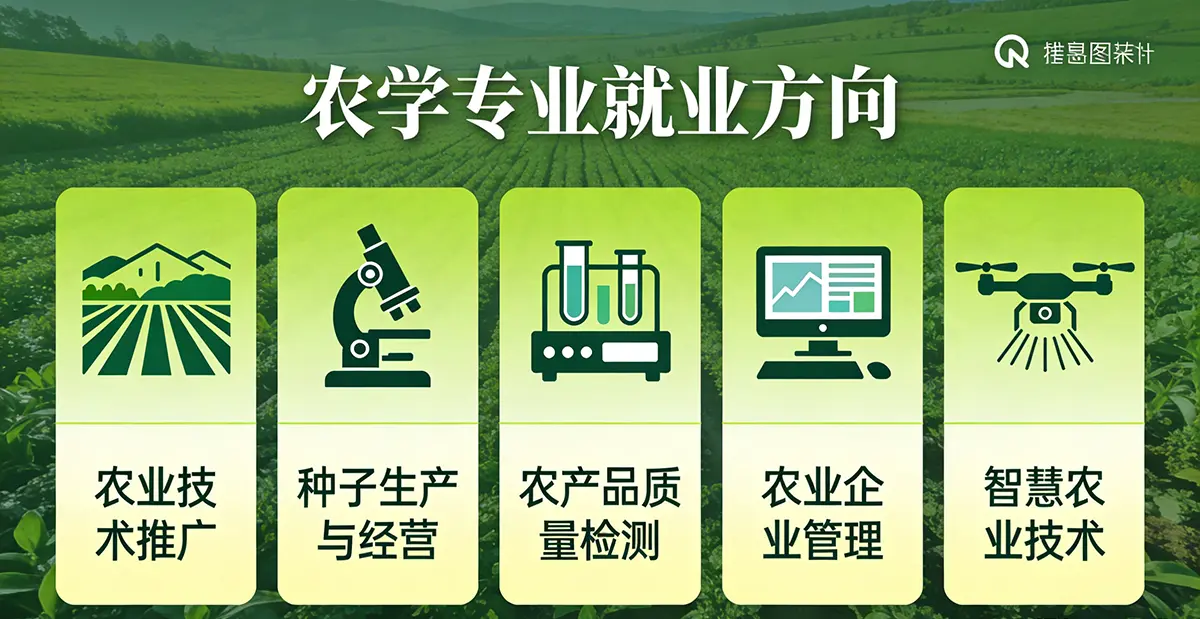
International Employment Rates and Industry Trends
Employment Data:
- Montpellier International Master's Program, France: Within three months of graduation, 79% of graduates secured employment or pursued further studies (44% entered direct employment, 18% enrolled in doctoral programs)
- Australia: The University of Western Australia explicitly states “a shortage of agricultural science graduates with abundant opportunities awaiting”
- Global Trend: Demand for agricultural professionals continues to rise amid intensifying global food security challenges
Industry Development Trends:
1. Food Security Emerges as Global Priority: Under triple pressures of climate change, geopolitical conflicts, and population growth, securing food supply has become a strategic focus for nations. China's 2026 Central Document No. 1 sets clear requirements for agricultural education reform and new agricultural science development.
2. “New Agricultural Sciences” Redefining Disciplinary Scope: Emerging fields like biological breeding, smart agriculture, and intelligent agricultural equipment are reshaping traditional agricultural disciplines. The initiative emphasizes “breaking boundaries, focusing on practicality, and encouraging innovation” to achieve both “reaching for the sky” by anchoring to scientific frontiers and “grounding in reality” by serving production needs.
3. Technological Innovation Drives Industrial Transformation: The independently developed DNA chip “Phoenix Core No. 1” has successfully broken international monopolies. Domestic breeding chickens and hatching eggs have achieved a “zero breakthrough” in exports. The Ward series of white-feathered broiler chickens fills a domestic gap, while gene-edited pigs resistant to porcine reproductive and respiratory syndrome (PRRS) achieve 100% disease resistance. Technological innovation is giving rise to new industries and business models.
4. Interdisciplinary Convergence as the Mainstream: Agriculture is deeply integrating with informatics, computer science, and agricultural engineering, giving rise to the Smart Agriculture major. Curriculum restructuring is central to this transformation, placing higher demands on faculty knowledge structures.
5. Deepening Industry-Education Integration: Undergraduates now have significantly more opportunities to participate in national-level research. Classrooms move to farm fields, enabling students to closely align their knowledge with agricultural production. Students provide solutions based on farmers' actual needs.
6. Integration of sustainability principles: From organic to regenerative agriculture, and from carbon footprints to biodiversity, sustainability concepts are being fully incorporated into agricultural education and research.
Who is suited for an agricultural science major?
You'll gain a competitive edge in the global arena if you possess these traits:
1. Passion for nature and agriculture: Enjoy outdoor work and have curiosity about plant growth, soil, and farm ecosystems.
2. Strong math and science foundation: Ability to analyze field data using statistics and understand crop growth through mathematical models.
3. Hands-on and practical skills: Enjoy field operations, lab analysis, and farm practice, with willingness to work on the front lines.
4. Problem-solving orientation: Apply scientific principles to real-world production challenges, providing solutions for farmers and businesses.
5. Systems thinking: Capable of understanding complex relationships among crops, soil, climate, markets, and policies.
6. Cross-cultural communication skills: Agriculture is a global industry requiring collaboration with individuals from diverse cultural backgrounds.
7. Commitment to sustainability: Concerned with food security, environmental protection, and climate change, with a desire to contribute to society through professional expertise.
Core Competencies of Agricultural Science Major
The core strength of this discipline lies in its end-to-end system capabilities spanning from “molecule” to ‘farm’ to “table”:
Crop Production System Understanding: Deep comprehension of crop growth and development patterns, enabling the formulation of optimized production plans tailored to diverse environmental and management conditions.
Field Diagnosis and Problem-Solving: Accurately diagnose crop deficiencies, diseases, pests, and other issues through field observation and sampling analysis, proposing effective solutions.
Data Analysis and Technology Application: Analyze field trial data using statistical methods and specialized software, applying precision agriculture technologies to optimize production.
Multidisciplinary Integration: Integrate knowledge from soil science, plant nutrition, plant pathology, entomology, agricultural economics, and other disciplines to solve complex agricultural challenges.
Sustainability Assessment: Evaluate agricultural system sustainability across environmental, economic, and social dimensions, proposing improvement strategies.
Communication and Extension Skills: Ability to translate complex technical knowledge into language accessible to farmers, effectively promoting agricultural technologies.
Research and Innovation Capabilities: Ability to design field trials, analyze data, write reports, and participate in agricultural technology innovation.
Top Institutions Globally
(Selected Schools - Listed in no particular order)
| China | China Agricultural University | Strong in Crop Genetics & Breeding, Agricultural Engineering |
| Nanjing Agricultural University | Leading in Crop Science, Plant Protection | |
| Northwest A&F University | Specializes in Arid Zone Agriculture, Soil & Water Conservation | |
| South China Agricultural University | Crop Science, Plant Protection | |
| Other Chinese Institutions | Huazhong Agricultural University, Peking University, Shanghai Jiao Tong University, Shandong Agricultural University, Beijing Forestry University, South China University of Technology, Sichuan Agricultural University, Sun Yat-sen University | |
| United Kingdom | University of Reading | Agriculture, Food and Nutrition |
| Other UK Institutions | University of Edinburgh, University of Nottingham, University of Leeds | |
| Switzerland | ETH Zurich | Interdisciplinary Research in Agriculture and Environmental Sciences |
| Sweden | Swedish University of Agricultural Sciences | Leading Nordic Institution for Agricultural and Environmental Research |
| Japan | University of Tokyo | Agricultural and Life Sciences |
| Norway | Norwegian University of Life Sciences | Leading Institution in Life Sciences and Environmental Sciences |
| United States | University of California, Davis | Leading in Crop Science, Viticulture, Animal Science |
| Cornell University | World-renowned College of Agriculture and Life Sciences | |
| Purdue University | Leading in Agricultural and Bioengineering, Crop Science | |
| University of California, Berkeley | Environmental Science, Ecological Agriculture Research | |
| Michigan State University | Agricultural Economics, Plant Sciences | |
| Iowa State University | Agronomy, Agricultural and Biosystems Engineering | |
| Texas A&M University | Traditional powerhouse in Agriculture and Life Sciences | |
| University of Florida | Tropical Agriculture, Horticultural Sciences | |
| University of Wisconsin-Madison | Agricultural and Applied Economics | |
| University of Illinois at Urbana-Champaign | Crop Science, Agricultural Engineering | |
| Ohio State University | Agricultural and Bioengineering | |
| Canada | University of British Columbia | Sustainable Agriculture, Food Science |
| University of Guelph | Ontario Agricultural College, Agricultural and Food Science Powerhouse | |
| Netherlands | Wageningen University | Ranked top for consecutive years, globally leading in Agricultural and Environmental Sciences |
| France | Montpellier Ag'Tech | Mediterranean and Tropical Agricultural Research |
| Germany | University of Göttingen | Agricultural Economics, Crop Science |
| University of Hohenheim | Traditionally strong in Agricultural Sciences | |
| Denmark | University of Copenhagen | Agricultural and Food Sciences |
| Belgium | Ghent University | Outstanding in Bioscience Engineering and Agricultural Research |
| Australia | University of Queensland | Agricultural Sciences, Animal Production |
| Other Australian Institutions | University of Melbourne, University of Western Australia, University of Sydney, University of Adelaide | |
| Austria | University of Natural Resources and Life Sciences, Vienna | Agricultural Biosciences |
| European Institutions: | University of Bologna, University of Bonn, Technical University of Munich, University of Padua, University of Helsinki, Aarhus University | |
| North American Institutions | McGill University, University of California, Riverside, University of Florida | |
Suggested Academic Pathways for Agricultural Science Majors
1. Build a Solid Foundation (Undergraduate Stage): Focus on core subjects in biology, chemistry, and mathematics. Master plant science, plant physiology, soil science fundamentals, and genetics—these form the bedrock for all subsequent specialized courses. Simultaneously, gain proficiency in statistical analysis methods and data processing tools. Gain early exposure to agricultural practices to understand crop growth cycles and field management.
2. Build Your Professional Framework (Mid-to-Late Undergraduate): Delve into core courses like crop production, soil management, plant protection, and agricultural economics. Select a specialization based on your interests (e.g., crop science, soil and plant nutrition, plant protection). Actively participate in field trials and internships, seeking practical experience at farms, agribusinesses, or research institutions.
3. Focus and Deepen (Master's Stage): Select a research direction aligned with your interests, such as crop genetics and breeding, precision agriculture, or agricultural ecosystems. Actively seek industry internships, particularly at seed companies, agricultural consulting firms, or international organizations. For your master's thesis, prioritize topics closely linked to industry or cutting-edge research.
4. Future Planning and Internationalization (Throughout):
- Language and Perspective: Obtain IELTS or TOEFL scores (UWA requires IELTS 6.5 overall, no band below 6.0). For French-speaking regions, achieve B2 French proficiency. Engage in international academic exchanges and collaborative projects.
- Professional Certification: Research agricultural certification systems in target countries. Graduates from the University of Padua qualify for professional exams such as Agronomist or Forestry Officer.
- Skill Matrix: Develop targeted competencies aligned with industry demands:
- Data Analysis: R/Python statistical analysis, field trial design
- Precision Agriculture: GPS/GIS applications, drone operation, variable-rate technology
- Professional Software: Crop modeling software, statistical analysis tools
- Industry Monitoring: Track agricultural reports from international organizations like FAO and IFPRI to understand global food security and technological advancements.
- International Experience: Pursue international exchanges, overseas internships, or projects with international organizations. Montpellier's international master's program attracts global students, offering a truly international learning environment.
Agricultural science is a strategic discipline vital to human survival and development. It demands a solid foundation in science, systematic agricultural thinking, and a commitment to sustainable development. In return, it equips you with highly valuable professional capabilities and broad career prospects in addressing global food security challenges.
- The Previous Passage:Epidemiology(Epidemiol.)_流行病学
- The Next Passage:Human Biology(Hum. Biol.)_人体生物学
Human Geography Major_Geography(Geog.)_人文地理
The Human Geography Major explores the complex relationships between human activities and space, cul···

Atmospheric Sciences(Atmos. Sci.)_大气科学
Atmospheric science is the study of phenomena and evolutionary patterns within Earth's atmospher···

Earth Sciences(Earth Sci.)_地球科学
The Earth Science major focuses on studying the Earth system and its interactions, providing a scien···
Ocean Sciences(Ocean Sci.)_海洋科学
PbootCMS是全新内核且永久开源免费的PHP企业网站开发建设管理系统,是一套高效、简洁、 强悍的可免费商用的···

