

Stage Design(Stage Des.)_舞美设计
Time:2026-10-05 Visits:1
Theatrical Design Major
The Theatrical Design Major is a comprehensive discipline dedicated to creating the visual and physical world of live performance. This guide explores how theatrical designers integrate storytelling, spatial art, and technology to build immersive environments for theater, opera, dance, and concerts. It details the core curriculum covering set, lighting, and costume design, outlines advanced study paths, and maps diverse careers from traditional theaters to film and immersive entertainment. By analyzing key industry trends like digital integration and sustainable design, this guide illuminates the path for aspiring designers to master the art of visual storytelling for the stage.
Introduction to the Theatrical Design Major
The Theatrical Design Major, formally Stage Art Design, is a comprehensive artistic discipline that creates the visual space and physical environment for theater, film, dance, opera, concerts, and all forms of live performance. It synthesizes dramatic literature, directorial vision, spatial art, visual storytelling, and engineering. Through set design, lighting, costumes, makeup, props, and multimedia, it shapes a stage world that serves the narrative, supports the performance, builds atmosphere, and ignites audience imagination. As the visual soul of performing arts, this major is the crucial bridge connecting the script, the performer, and the audience's experience.

Core Curriculum for the Theatrical Design Major
| Module Category | Core Courses |
| Theatre and Theoretical Foundations | Theatre History, Directing Fundamentals, Script Analysis, Introduction to Performing Arts, Introduction to Stage Design, Introduction to Art |
| Core Design Competencies | Stage Design, Stage Drafting, Stage Model Making, Stage Spatial Composition, Scenic Painting Techniques, Stage Design Studio |
| Specialized Design Fields | Lighting Design: Stage Lighting Design,
Lighting Technology & Programming, Art of Light & Shadow
Costume
& Makeup Design: Theatrical Costume Design, Character Styling, Stage Makeup
Techniques
Multimedia Design: Stage Video Design, Projection Art, New Media
in Performance |
| Technical Implementation & Management | Stage Mechanics & Structures, Stage Materials & Crafts, Stage Technology Management, Theatre Architecture & Engineering, Stage Budgeting & Drafting (CAD, SketchUp, Vectorworks) |
| Representation Techniques | Design Sketching, Color Theory, Stage Design Rendering (Hand & Digital), Mood Board Creation |
| Projects and Practice | Director Collaboration Workshop, Production Design Practicum, Graduation Project (Full Production Design), Theatre/Company Internship |
| Frontiers and Expansion | Experimental Theatre Space Design, Immersive Performance Design, Performing Arts Architecture & Acoustics, Large-Scale Event Scenography |
Advanced Study Pathways for the Theatrical Design Major
Master’s (Specialization): Stage Design/Scenography: Advanced study and creation in specific theatrical genres, performance types (e.g., opera, musicals), or experimental stage spaces. Theatre & Film Art Direction: Expands into set design and art direction for film and television. Lighting Design/Costume Design: Aims to become a leading specialist designer or artist.
Master’s (Interdisciplinary & Academic): Theatre Studies/Performance Studies: Transitions into theatre theory, criticism, curation, and management. Exhibition Design/Spatial Narrative: Applies theatrical design thinking to narrative spaces in museums and galleries. Art and Technology: Explores the application of VR/AR, real-time rendering, and interactive media in performance.
Related Advanced Studies: Architectural Design/Interior Design: Expands into broader physical space design. Cultural Heritage and Restoration: Focuses on the research and preservation of historic theatres and traditional stagecraft.

Career Paths for the Theatrical Design Major
Career paths are concentrated in the performing arts and related fields, characterized by project-based work.
Professional Theatres & Performance Companies: Stage Designer, Assistant Stage Designer (in national troupes, drama/opera/dance companies); Lighting Designer, Costume Designer, Makeup Artist, Prop Designer.
Film, Television & Media Industry: Production Designer/Art Director, Set Designer, Prop Master (for film/TV); Broadcast/Streaming Platforms: Stage Designer for variety shows/galas, Visual Director.
Event Production & Design Firms: Theatrical Designer, 3D Visualizer, Technical Director (providing design for concerts, festivals, large-scale events).
Education & Research Institutions: Faculty at university drama/art schools, Researcher at theatre institutes.
Freelancing & Entrepreneurship: Independent Theatrical Designer, Studio Founder.
Emerging & Cross-disciplinary Fields: Immersive Theatre/Live-Action Entertainment: Environment design for escape rooms, LARPs, theme park shows; Exhibition Design: Narrative space design for museums and corporate exhibition halls.
Employment Rate and Industry Trends for the Theatrical Design Major
Employment Characteristics: “Strongly Project-Based, Flexible yet Unstable”: Work is tied to production cycles, with high freelance and contract work leading to income volatility. “Networks and Reputation are Crucial”: The industry relies heavily on professional reputation, mentorship, and collaborative networks. “Scarcity of Techno-Artistic Hybrid Talent”: Designers proficient in both artistic creation and modern stage tech (automation, multimedia, programming) are highly competitive. “Clear Institutional vs. Commercial Divide”: State-owned companies offer stable but scarce positions; commercial firms offer more projects, faster pace, and income directly linked to skill.
Industry Trends: “Deep Integration of Multimedia & Digital Tech”: Real-time projection, LED screens, virtual production, and interactive media are now core to stage visuals, shifting design from physical sets to “digital scenery.” “Rise of Immersive & Environmental Theatre”: These forms break the proscenium arch, creating interactive, walk-through environments, demanding advanced spatial storytelling skills. “IP-Driven Shows & Cultural Tourism Boom”: Large-scale live shows and tourist performances drive demand for spectacular, unique, and replicable visual spectacles. “Sustainable & Modular Design”: Reusable, rapidly deployable modular sets are becoming a key industry direction for cost and environmental efficiency. “New Paradigms for Digital-Stage Design”: Online concerts and live-streamed theatre require designing for the camera lens, creating new aesthetic and technical demands.

Leading Global Institutions Offering the Theatrical Design Major
(Selected Institutions - Rankings Not in Order)
| Country/Region | Representative Institutions (Leading Schools in Stage Design) |
| United Kingdom | Central Saint Martins, UAL (Theatre Design), Royal Academy of Dramatic Art (RADA), Royal Welsh College of Music & Drama (RWCMD), Goldsmiths, University of London |
| United States | Yale School of Drama (top-tier MFA), NYU Tisch School of the Arts, California Institute of the Arts (CalArts), University of North Carolina School of the Arts |
| Russia | Russian State Institute of Performing Arts (St. Petersburg, world-leading, rigorous system) |
| Czech Republic | Academy of Performing Arts in Prague (renowned for scenography) |
| Germany | Berlin University of the Arts, Folkwang University of the Arts |
| China | The Central Academy of Drama (Stage Design Dept., top nationally), Shanghai Theatre Academy (Stage Design Dept.), National Academy of Chinese Theatre Arts (Stage Design Dept.), Beijing Film Academy (School of Fine Arts), China Academy of Art |
| Japan | Nihon University College of Art, Toho Gakuen College of Drama and Music |
DisciplineMajor Recommendations
Ideal Candidates for the Theatrical Design Major:
Individuals with a dual or multi-faceted passion for theatre, literature, visual arts, and live performance. Those who possess strong spatial imagination, narrative skill, and the ability to translate abstract emotions into concrete visual imagery. Excellent collaborators and communicators who can deeply understand a director’s vision and work seamlessly with lighting, costume, and performance departments. Those who thrive in high-intensity, fast-paced, and variable creative environments and relish the magical process from blueprint to live spectacle.
Core Competencies of the Theatrical Design Major:
The ability to deeply analyze a script and construct a theatrical world through visual language. Mastery in controlling the overall stage visual style and unifying all visual departments (set, lighting, costume). Proficiency in the entire design workflow, from hand-drawn sketches and models to technical drawings and material realization. In-depth knowledge and practical application of modern stage technology and theatre craftsmanship.
Study Recommendations for the Theatrical Design Major:
“Live in the Theatre”: Watch a wide variety of performances, consciously analyzing their scenic concepts, spatial choreography, and technical execution. “Persist with Storyboarding and Model-Making”: This is core training for visualizing and spatializing ideas. “Master Essential Technical Software”: Such as Vectorworks/AutoCAD for drafting, SketchUp/3ds Max for modeling and pre-visualization. “Study Directing and Acting”: Understanding a director’s staging logic and actors‘ needs is essential to bring designs to life. “Build Extensive Knowledge of Materials and Craft”: Understanding the properties, cost, and feasibility of different materials ensures your designs can be realized. “Engage Actively in Professional Practice”: Seek internships at theatres or design firms early on, starting as an assistant to accumulate invaluable hands-on experience and professional connections.
Note: Program classifications may vary by institution. Please refer to the specific classification used by the target institution.
- The Previous Passage:Digital Media(Digital Media)_数字媒体学
- The Next Passage:Drama Education(Drama Educ.)_戏剧教育

Communication Engineering(Commun. Eng.)_通信工程
Communication Engineering Major Communication engineering Major serves as a bridge connecting the wo···
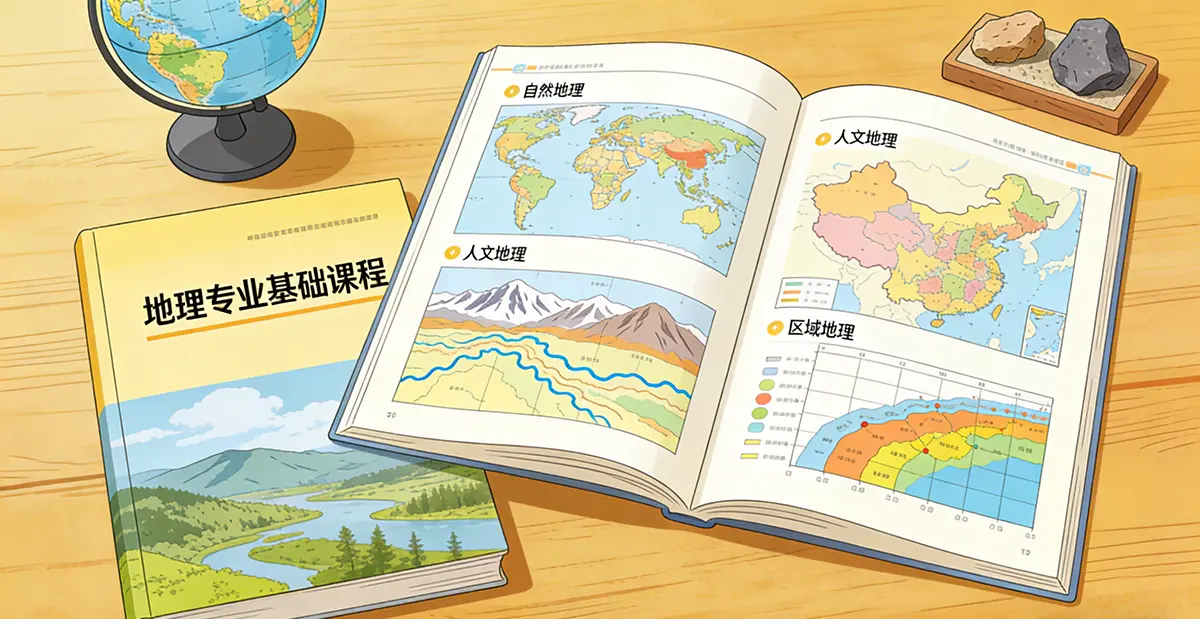
Human Geography Major_Geography(Geog.)_人文地理
The Human Geography Major explores the complex relationships between human activities and space, cul···

Atmospheric Sciences(Atmos. Sci.)_大气科学
Atmospheric science is the study of phenomena and evolutionary patterns within Earth's atmospher···
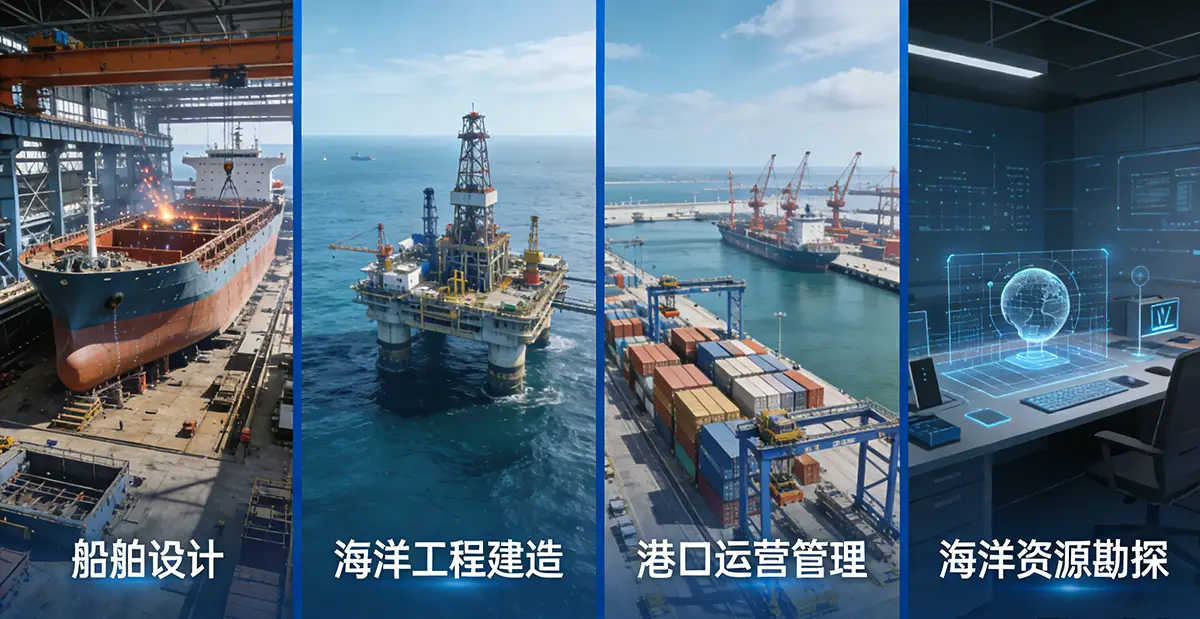
Ship and Ocean Engineering(Ship Ocean Eng.)_船舶与海洋工程
Naval Architecture and Ocean EngineeringNaval Architecture and Ocean Engineering is a core engineeri···

