

Drama Studies(Dramatic Literature and Theory)_戏剧学
Time:2026-10-09 Visits:0
Drama Studies Major (Dramatic Literature and Theory)
The Drama Studies Major (Dramatic Literature and Theory) focuses on the in-depth analysis of dramatic texts, theater history, and critical theory. This discipline cultivates expertise in script interpretation, theoretical discourse, and aesthetic criticism, preparing graduates for careers in academic research, theater criticism, arts management, and creative content development. With a strong foundation in both Eastern and Western theatrical traditions, majors are equipped to contribute to the evolving cultural landscape. This guide outlines the program's core curriculum, advanced study options, professional pathways, and leading global institutions.
1. Introduction to the Drama Studies Major (Dramatic Literature and Theory)
The Drama Studies Major (Dramatic Literature and Theory) is a humanities discipline that takes dramatic art as its object of study, systematically investigating its textual creation, theoretical criticism, historical development, and aesthetic trends. Distinct from performance-oriented programs like Drama and Film Acting, this major centers on desk research, theoretical discourse, and in-depth criticism, treating drama as a unique literary form, cultural phenomenon, and vehicle for ideas. The Drama Studies Major aims to cultivate advanced professionals with solid textual analysis skills, profound theoretical literacy, keen aesthetic judgment in theater, and independent academic research capabilities, serving as a vital bridge connecting dramatic creation, criticism, and scholarship.
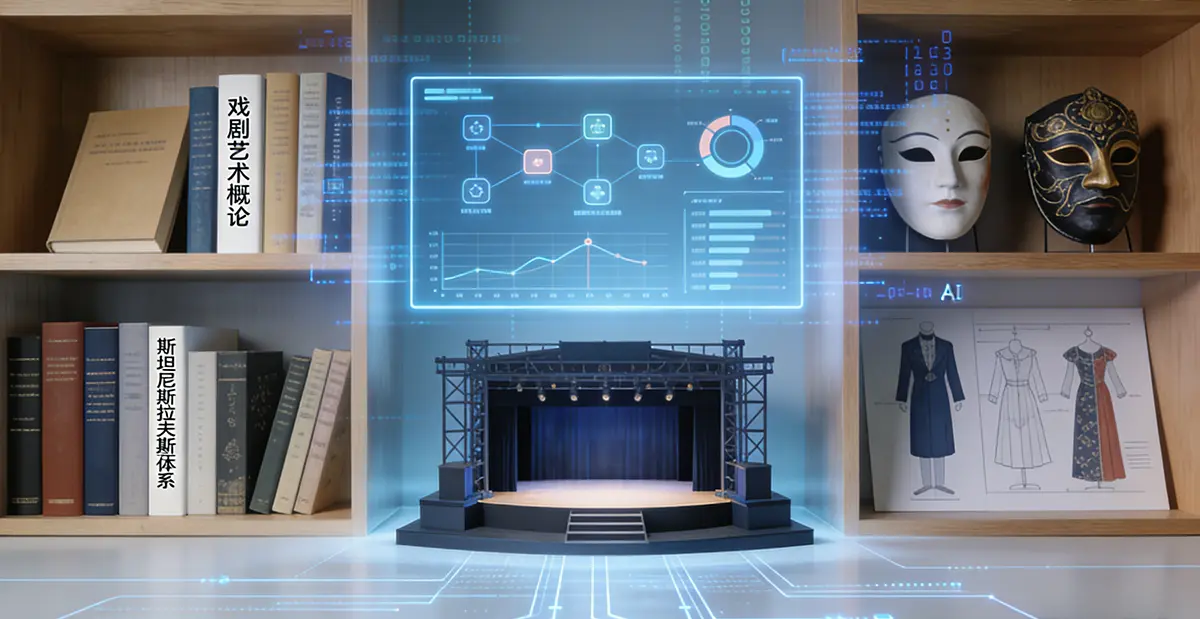
2. Core Courses in the Drama Studies Major (Dramatic Literature and Theory)
| Module Category | Core Courses |
| Drama History and Theory | World Drama History (Western: Ancient Greece to Contemporary; Eastern: e.g., Indian, Japanese, Chinese Opera), History of Chinese Spoken Drama, History of Dramatic Theory and Criticism, Aesthetics of Drama |
| Playwriting and Text Analysis | Introduction to Dramatic Literature, Close Reading and Analysis of Classic Plays (e.g., Shakespeare, Ibsen, Chekhov, Cao Yu), Dramatic Structure Analysis, Fundamentals of Playwriting, Studies in Traditional Chinese Opera Literature |
| Drama Theory and Criticism | Selected Readings in Western Dramatic Theory (Aristotle, Hegel, Stanislavski, Brecht, Artaud, etc.), Contemporary Frontiers in Dramatic Theory (e.g., Postmodern Drama, Performance Anthropology, Feminist Theater Criticism), Writing and Practice of Dramatic Criticism |
| Theater and Performance Studies | History of Theater Arts, Directing Theory and Practice, Fundamentals of Stage Design, Audience and Reception Theory, Cross-Cultural Drama and Adaptation Studies |
| Special Topics and Comparative Studies | Theory of Tragedy and Comedy, Special Topics in Shakespeare Studies, Modernist and Postmodernist Theater, Theory of Chinese Opera, Drama and Philosophy/Sociology/Psychology |
| Methods and Skills | Academic Research Methods and Thesis Writing, Literature Retrieval and Theater Archives Utilization, Theater Festival Fieldwork and Observation, Script Analysis and Rehearsal Workshop (Practical Component) |
3. Advanced Study Pathways for Drama Studies Major
Master’s/PhD in Drama Studies / Theater Theory: Enter the academic research track to become a university professor or professional researcher.
Master’s/PhD in Comparative Drama / Cross-Cultural Theater Studies: Engage in comparative research across different theatrical traditions.
Master’s in Art History / Cultural Studies: Study theater from broader perspectives of visual and material culture.
Master of Fine Arts in Creative Writing (Dramatic Writing): Transition to a career as a professional playwright.
Master’s in Arts Management / Cultural Policy: Enter fields such as theater institution management, festival curation, or cultural policy.
Master’s in Performance Studies: Conduct interdisciplinary research integrating the body, performance, and cultural theory.
Master’s in Publishing / Journalism: Specialize in editorial and critical work within the arts and culture sector.
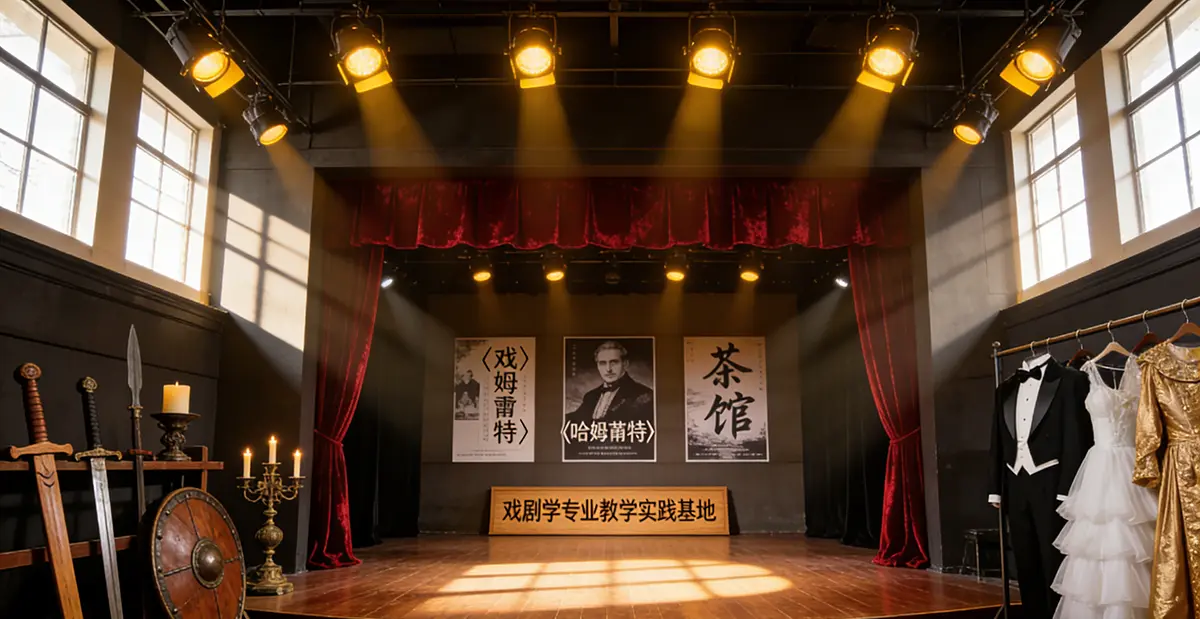
4. Career Paths and Positions for Drama Studies Major
The core competencies cultivated by this major—deep textual interpretation, theoretical reasoning, critical writing, and historical research—endow its graduates with unique professional value in cultural fields that increasingly emphasize depth of content and intellectual substance.
| Core Employment Fields | Typical Positions | Primary Responsibilities and Skill Application |
| Education and Research | Faculty/Researcher at University Drama Schools/Chinese Departments/Arts Colleges (Primary pathway, typically requires a PhD) | Engage in teaching and research on drama history/theory, dramatic literature, and drama criticism. |
| Instructor at Arts Academies / Advisor for High School Drama/Literary Clubs | Teach courses in dramatic literature appreciation, playwriting, or drama history. | |
| Cultural Criticism & Media | Professional Theater/Arts Critic (Media, Freelance Writer) | Write theater reviews, artist interviews, in-depth industry reports, and trend analysis. |
| Cultural Media/Magazine Editor, Journalist | Plan theater and culture features, and oversee related content sourcing, editing, and writing. | |
| Theater/Literary Book Editor, Planner at Publishing Houses | Responsible for topic planning and editing of theater theory works, play anthologies, and theater history books. | |
| Arts Institutions & Theaters | Literary Manager/Dramaturg at Theaters/Arts Centers | This is a core aligned role for the major. Responsible for repertoire selection and research, providing historical/theoretical context analysis of scripts for directors and actors, writing core program notes, and planning related academic events. |
| Festival Curator/Program Planner for Theater/Arts Festivals | Responsible for festival theme development, repertoire selection, artist invitations, and organizing academic forums. | |
| Artistic Director Assistant, Research Specialist at Theater Companies/Theaters | Participate in company repertoire planning, artistic archive management, and pre-production research. | |
| Cultural Policy and Management | Cultural Officer at Cultural & Tourism Bureaus/Publicity Departments/Literary Federations | Responsible for the approval, funding, evaluation, and policy research of theater-related projects. |
| Program Officer at Cultural Foundations/Non-Profit Arts Organizations | Manage theater grant programs and plan public arts education activities. | |
| Creative Content Industry | Literary Planner/Script Evaluator at Film & TV Companies/Streaming Platforms | Evaluate scripts for literary value, structural integrity, and market potential. |
| Narrative Designer/World Builder at Game Companies | Apply understanding of dramatic structure and character development to construct game narratives and character arcs. | |
| Freelance Playwright/Screenwriter (requires creative practice) | Create scripts for stage plays, film/TV productions, and radio dramas. |
5. Employment Rate and Industry Trends for Drama Studies Major
Employment Rate Characteristics:
“Strong Professional Alignment but Scarce Core Positions”: The most aligned positions, such as “theater literary departments,” are still in the early stages of development in China, with limited availability and intense competition. A significant number of graduates must seek suitable positions in broader cultural, educational, and media fields.
“High Dependence on Major Cities and Cultural Ecosystems”: High-quality employment opportunities are heavily concentrated in major cultural hubs like Beijing and Shanghai, which limits graduates' city choices.
“Those with Both Practical Skills and Theoretical Proficiency Hold an Advantage”: Although the major emphasizes theory, graduates with some experience in playwriting, theater festival internships, or troupe practice are more favored by employers.
“Advanced Study is the Primary Pathway to the Academic Core”: For those aspiring to university teaching positions or high-level research roles, pursuing a doctorate at a top-tier institution is almost a necessity.
Industry Development Trends:
Increasing Importance of the “Literary Consultant” Role in Creation: Domestic theater production is placing greater emphasis on textual depth and academic support, increasing demand for research-capable literary talent in theaters and troupes.
Cross-Media and Generalization of Theater: Dramatic elements and theories are widely permeating film, television, gaming, immersive experiences, and socially engaged art, broadening the application scenarios for graduates.
Public Engagement and Digitalization of Theater Criticism: The role of professional theater criticism in guiding public taste and shaping the theater ecosystem is being revalued, with new media platforms providing new avenues for such criticism.
International Theater Exchange and the Festival Economy: The increase in international theater festivals and the import/export of productions requires professionals proficient in both Chinese and foreign dramatic theory, capable of cross-cultural communication and planning.
Development of Community Theater and Arts Education: The value of theater as a tool for social healing, community building, and aesthetic education is being recognized, leading to the emergence of related project planning and management roles.
6. Major Global Institutions Offering the Drama Studies Major
(Selected Institutions - Rankings Not in Order)
| Country/Region | Representative Institutions (Leading Institutions in Drama Studies/Theater Research) |
| United States | Yale University (top-ranked Drama Research Department at the Yale School of Drama), New York University (strong Performance Studies at the Tisch School of the Arts), University of California, Berkeley, Brown University |
| United Kingdom | Royal Central School of Speech and Drama, Goldsmiths, University of London, University of Cambridge, University of Warwick |
| Continental Europe | Université Sorbonne Nouvelle (Paris 3) (a major center for theater studies), University of Amsterdam, Freie Universität Berlin |
| China | The Central Academy of Drama (top-tier Department of Dramatic Literature and Department of Theater Studies domestically), Shanghai Theatre Academy (Department of Dramatic Literature and Department of Theater Studies), Nanjing University (Department of Theater, Film and Television Arts, School of Arts), Xiamen University (Theater, Film and Television Studies program) |
| Other Regions | University of Toronto (Canada), University of Sydney (Australia) |
Study and Development Recommendations for the Drama Studies Major
Ideal Candidates: Individuals with a deep passion for reading dramatic texts, who are not satisfied merely with watching performances but are eager to explore their ideological core and artistic form. Those possessing strong logical reasoning, theoretical abstraction, and critical writing skills. People with a keen interest in both Eastern and Western theatrical traditions, philosophy, and aesthetics—the “intellectual” type of art enthusiast. Those with the patience for long-term desk research and scholarly literature review.
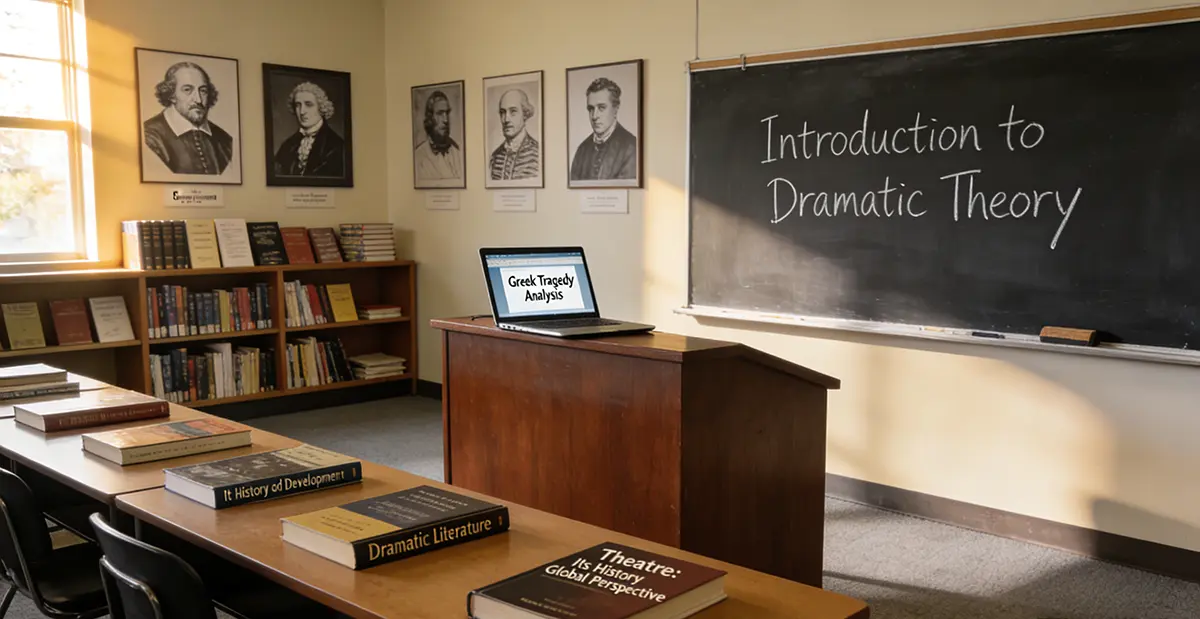
Core Competitiveness of the Drama Studies Major
Deep Textual Interpretation and Critical Ability: Capable of providing multi-layered, innovative academic readings of both classic and contemporary plays.
Systematic Knowledge of Drama History and Theory: Able to integrate knowledge comprehensively, situating specific works within grand historical and theoretical contexts.
Keen Aesthetic Judgment in Theater: Capable of making precise, theory-grounded evaluations of the merits and shortcomings of stagecraft and creative work.
Outstanding Academic Research and Expressive Skills: Able to independently produce high-quality academic papers, critical essays, or curatorial texts.
Study Recommendations for Drama Studies Major
Read Extensively to Build a “Text Library” and “Theory Library”: Engage in close reading of core texts from ancient Greek tragedy to contemporary experimental theater, and systematically study key theories from classical to postmodern periods.
Write Consistently, from Short Reviews to Long Essays: Systematize your reflections on performances and reading notes into logical short reviews, and attempt to write academic articles to build a personal portfolio.
Actively Participate in Theater Practice: Even if not performing on stage, maintain a connection to the live theater environment by participating in script readings, production research, or volunteering at theater festivals.
Master a Foreign Language (especially English) to an Academic Reading Level: This is fundamental for accessing cutting-edge international research, pursuing advanced studies, and engaging in international exchange.
Define Your Career Path and Proactively Accumulate Industry Resources: Determine early on whether you lean towards academia, criticism, curation, or management. Actively seek internships at relevant institutions to build professional networks. Pay attention to recruitment trends at the literary departments or research institutes of major domestic theaters and festivals.
Note: Some university programs may be categorized under different disciplines. Please refer to the specific institution’s actual classification.
- The Previous Passage:Drama Education(Drama Educ.)_戏剧教育
- The Next Passage:Fiber Art(Fiber Art)_纤维艺术

Communication Engineering(Commun. Eng.)_通信工程
Communication Engineering Major Communication engineering Major serves as a bridge connecting the wo···
Human Geography Major_Geography(Geog.)_人文地理
The Human Geography Major explores the complex relationships between human activities and space, cul···

Atmospheric Sciences(Atmos. Sci.)_大气科学
Atmospheric science is the study of phenomena and evolutionary patterns within Earth's atmospher···

Ship and Ocean Engineering(Ship Ocean Eng.)_船舶与海洋工程
Naval Architecture and Ocean EngineeringNaval Architecture and Ocean Engineering is a core engineeri···

