

Music Performance(Music Perf.)_音乐表演
Time:2026-08-13 Visits:1
Music Performance Major
The Music Performance Major develops high-level instrumental and vocal artistry for the stage. This guide details its rigorous curriculum, performance training, diverse career paths as performers and educators, and evolving industry trends in the digital age.
1. Introduction to the Music Performance Major
The Music Performance Major is a highly specialized artistic discipline designed to cultivate professional musicians capable of delivering high-level artistic interpretations in professional settings such as concert halls, opera houses, and recording studios through systematic and scientific training. Centered on mastering the performance techniques of one or more instruments (including voice), its ultimate goal is stage performance. This major emphasizes not only exceptional technical command but also deep musical literacy, independent artistic interpretation, resilient stage presence, and the ability to communicate effectively with audiences and collaborators. It serves as the foundational pathway to a career as a professional performer.
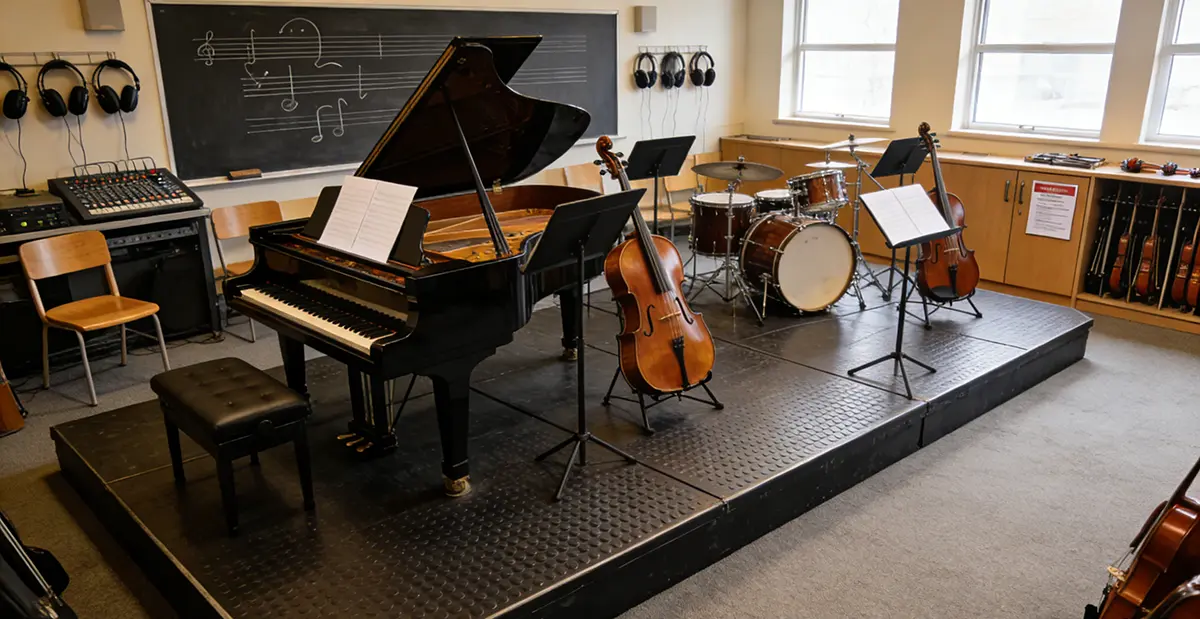
2. Core Curriculum of the Music Performance Major
| Module Category | Core Courses |
| Major Performance Skills | Instrumental/Vocal Performance (one-on-one or small group), Artistic Coaching/Piano Accompaniment, Chamber Music/Ensemble/Choir, Orchestra/Opera Rehearsal |
| Music Theory and History | Sight-Singing and Ear Training, Basic Music Theory, Advanced Harmony, Form and Analysis, Western Music History, Chinese Music History/Ethnomusicology |
| Practical and Stage Skills | Stage Performance Practice, Physical Training/Drama Fundamentals, Diction/Foreign Language Phonetics, Concert Planning and Organization |
| Teaching and Related Skills | Music Pedagogy, Piano Minor, Score Reading, Basic Conducting |
| Expansion and Frontiers | Contemporary Music Performance Techniques, Historical Instrument Performance/Historically Informed Practice, Fundamentals of Music Recording and Post-Production, Introduction to Arts Management |
| Cultural Literacy | Introduction to the Arts, Music Aesthetics |
3. Advanced Study Pathways for the Music Performance Major
Master’s/PhD in Music Performance: Further refine performance technique and deepen repertoire study—a critical step toward a solo career or positions in premier orchestras/opera houses.
Master’s in Chamber Music/Collaborative Piano/Opera Coaching: Specialize in specific performance niches.
Master’s in Musicology/Music Theory: Transition to music history and theoretical research.
Master’s in Music Education: Focus on theories and methodologies of music teaching.
Master’s in Arts Administration/Management: Move into management and operations for music organizations, theaters, or festivals.
Master’s in Music Technology: Enter fields of audio recording, sound engineering, or electronic music.
Artist Diploma/Advanced Studies at Top International Conservatories: Pursue advanced study abroad to obtain internationally recognized performance credentials and expand professional networks.

4. Career Paths and Positions for Music Performance Graduates
| Sector | Typical Positions | Primary Responsibilities and Skill Application |
| Professional Performing Ensembles | Symphony Orchestra/Opera/Traditional Ensemble Performer/Vocalist | Participate in rehearsals and performances, interpreting ensemble/opera repertoire. |
| Chamber Musician/Freelance Musician | Form ensembles, perform concerts, participate in festivals. | |
| Opera/Musical Theatre Performer | Perform in productions, undertake specific roles. | |
| Education & Training | University/Conservatory Faculty (requires advanced degree & performance credentials) | Train next-generation musicians, teach major instrument/voice. |
| K-12/Youth Center/Private Studio Music Teacher | Provide general music education, instrument lessons, or ensemble coaching. | |
| Music Production & Media | Recording Studio/Film & TV Session Musician | Record for albums, film/TV scores, video game soundtracks. |
| Concert Hall/Theatre Stage Manager/Arts Administrator | Coordinate performance projects, manage scheduling, handle artist logistics. | |
| Emerging & Freelance | Online Content Creator/Independent Artist | Release work via digital platforms, host virtual concerts, produce educational content. |
| Private Music Teacher/Studio Founder | Run a private teaching studio offering individual or group instruction. | |
| Music Curator/Artist Manager | Plan musical content for events, or represent and manage artists. | |
| Community & Cultural Services | Community Arts/Cultural Center Music Coordinator | Organize community music activities, manage amateur groups. |
5. Employment Rates and Industry Trends for the Music Performance Major
Employment Rate Characteristics:
“A Pyramid-Top Industry with Extreme Competition”: The proportion of graduates becoming top soloists or joining elite orchestras/opera houses is minimal, representing a classic “winner-takes-most” market. “
Institutional Prestige Influences Starting Point”: Graduates from top-tier conservatories hold significant advantages in securing premier ensemble positions and international competition slots.
“High Instability, Predominantly Project-Based/Freelance”: Apart from a few tenured positions, most work is project-based (concerts, tours, recordings), leading to income volatility. “
Teaching as a Stable and Vital Alternative”: Many performance graduates enter education at various levels, making teaching skills a crucial supplement.
Industry Development Trends:
Digital Transformation & Rise of Online Platforms: Livestreamed concerts, online courses, and content creation offer new avenues for exposure and income, increasing the importance of digital literacy.
Cross-Genre Fusion as the Norm: Blurring boundaries between classical, pop, jazz, and electronic music, alongside increased collaborations with other arts, demand greater openness and adaptability from musicians.
Growth of “Neo-Classical” & “Light Classical” Markets: New performance formats like salon concerts, immersive experiences, and film/game music concerts attract new audiences and create novel roles.
Rise of Community Music & Arts in Wellness: Recognition of music’s role in community building and mental health is spawning related service-oriented positions.
Internationalization of Chinese Ensembles & Development of Original Works: As domestic performing groups elevate standards and increase international tours, demand persists for high-caliber performers with a global outlook.
6. Major Global Institutions Offering the Music Performance Major
(Selected Institutions - Rankings Not in Order)
| Country/Region | Representative Institutions (Leading in Music Performance) |
| United States | The Juilliard School, Curtis Institute of Music, New England Conservatory, Indiana University Jacobs School of Music, University of Michigan School of Music, Theatre & Dance |
| United Kingdom | Royal Academy of Music, Royal Conservatoire of Scotland, Guildhall School of Music & Drama, Royal Northern College of Music |
| Continental Europe | University of Music and Performing Arts Vienna (Austria), Hanns Eisler Academy of Music Berlin (Germany), Conservatoire National Supérieur de Musique et de Danse de Paris (France), Mozarteum University Salzburg (Austria) |
| Russia | Moscow Conservatory, Saint Petersburg Conservatory |
| China | Central Conservatory of Music, Shanghai Conservatory of Music, China Conservatory of Music, Xinghai Conservatory of Music, Wuhan Conservatory of Music |
| Other Regions | University of Toronto Faculty of Music (Canada), Sydney Conservatorium of Music (Australia) |
DisciplineMajor Recommendations
Ideal Candidates for the Music Performance Major
Individuals with exceptional innate talent, passion, and physical aptitude (e.g., finger dexterity, vocal quality) for their chosen instrument or voice. They must possess extraordinary self-discipline, perseverance, and resilience to endure repetitive daily practice and a highly competitive environment. A keen sensitivity to music, rich imagination, and a powerful drive for artistic expression are essential, coupled with a genuine craving for the stage and the experience of performing for an audience.
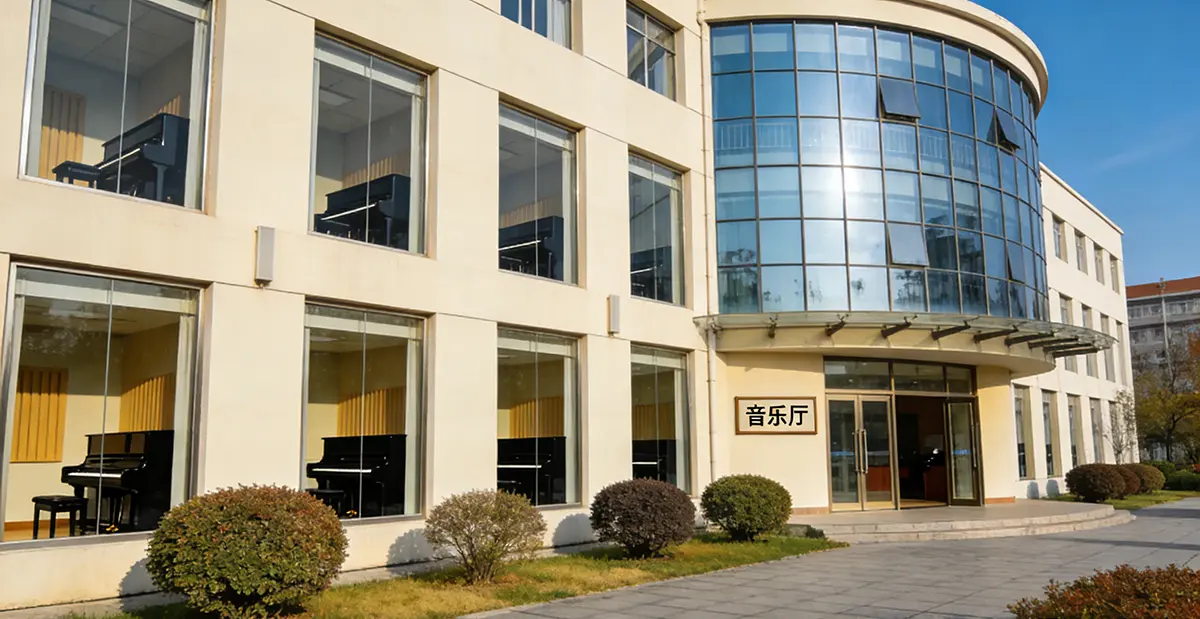
Core Competitiveness of the Music Performance Major
Exceptional and distinctive performance technique: The fundamental basis of one’s craft.
Extensive repertoire knowledge and profound musical interpretation: Technical skill serves musical expression, enabling deep understanding and communication of a work’s essence.
Consistent stage delivery and strong mental fortitude: The ability to manage performance anxiety and deliver one’s best under pressure.
Excellent collaborative skills: Seamless teamwork is vital for chamber music, orchestral, and operatic performance.
Study Recommendations for the Music Performance Major
Your principal study is paramount: Dedicate yourself fully. Foster a strong relationship with your primary teacher, develop a structured practice regimen, and build a repertoire with both breadth and depth. Seize every performance opportunity: Accumulating stage experience, from campus recitals to external competitions and festivals, is a central mission.
Develop versatility (“Master one, be competent in many”): While excelling in your primary discipline, acquire skills in pedagogy, basic recording, simple arranging, or a secondary instrument to enhance career resilience.
Build a professional network: Actively participate in masterclasses and festivals to connect with peers, adjudicators, and agents, thereby expanding career opportunities.
Plan your career path early: Objectively assess your talent, opportunities, and market demands to define your direction—whether aiming for a solo career, ensemble position, teaching, or cross-disciplinary work—and prepare accordingly. Maintain a keen awareness of emerging industry trends.
Note: Some institutions may categorize this major under different academic disciplines. Please refer to the specific classification used by your institution.
- The Previous Passage:Art History and Theory(Art Hist. & Theory)_艺术史论
- The Next Passage:Musical Theatre_音乐剧

Communication Engineering(Commun. Eng.)_通信工程
Communication Engineering Major Communication engineering Major serves as a bridge connecting the wo···
Human Geography Major_Geography(Geog.)_人文地理
The Human Geography Major explores the complex relationships between human activities and space, cul···

Atmospheric Sciences(Atmos. Sci.)_大气科学
Atmospheric science is the study of phenomena and evolutionary patterns within Earth's atmospher···
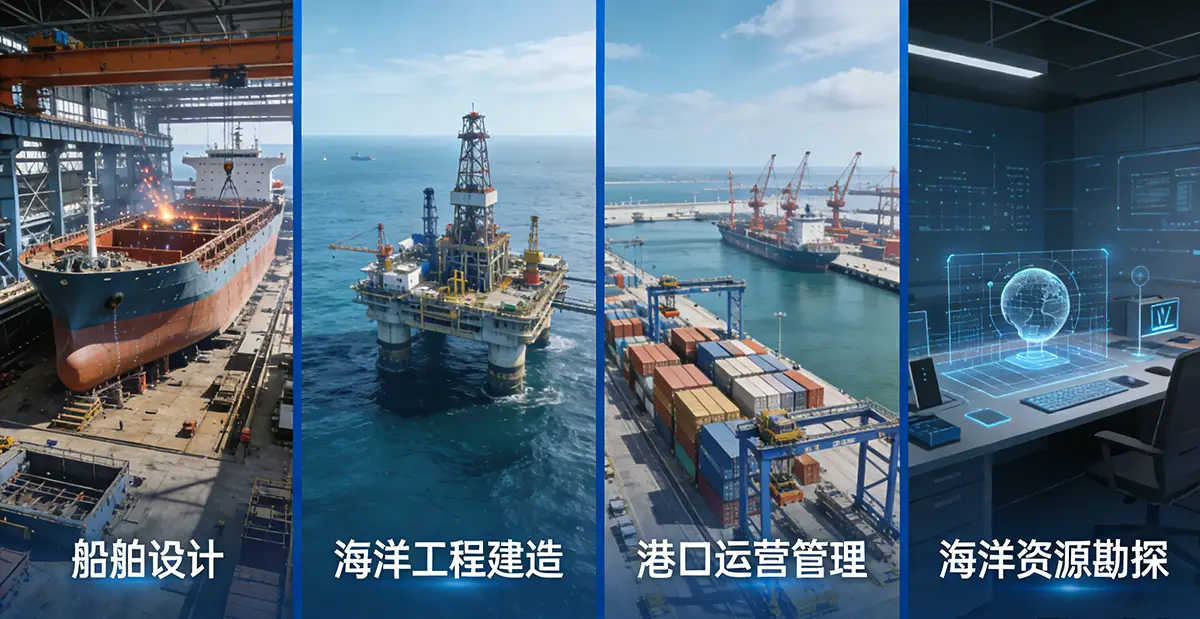
Ship and Ocean Engineering(Ship Ocean Eng.)_船舶与海洋工程
Naval Architecture and Ocean EngineeringNaval Architecture and Ocean Engineering is a core engineeri···

