

Library and Information Science(LIS)_图书情报科学
Time:2026-09-24 Visits:1
Library and Information Science Major
Library and Information Science (LIS) is a comprehensive discipline that emerged in the era of information explosion, dedicated to researching how to effectively organize, store, retrieve, analyze, preserve, and utilize information. It transcends traditional “library science,” integrating knowledge from management, computer science, data analytics, and other fields to address core contemporary challenges such as extracting value from massive datasets and building intelligent knowledge service systems. If management governs “organizations,” then Library and Information Science governs “information.”
Library and Information Science Major Overview: Mastering Information, Gaining Future Insight
At its core, Library and Information Science constructs a full lifecycle management framework spanning from information creation to its ultimate utilization. It explores how information can be efficiently organized and categorized, precisely retrieved and accessed through technological means, and deeply analyzed and mined to ultimately transform into knowledge that supports decision-making and drives innovation.
Its core missions include:
- Organization and Description: Classifying, indexing, and metadata-describing vast, unstructured information to render it orderly and searchable.
- Retrieval and Access: Designing and optimizing information systems to enable users to quickly and accurately locate needed information.
- Analysis and Mining: Employing data mining, intelligence analysis, and other methods to extract patterns, discern trends, and support decision-making from information.
- Preservation and Management: Ensuring the long-term preservation of valuable documents and digital assets while guaranteeing secure, compliant information management within ethical and legal frameworks.
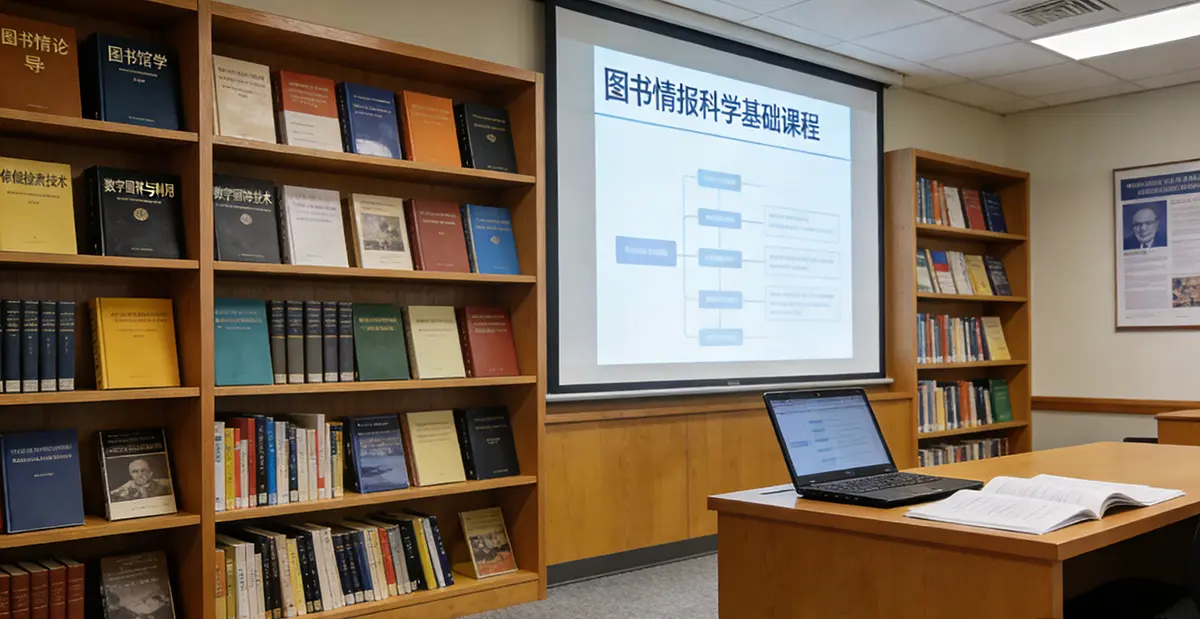
Core Courses at International Institutions
The curriculum in Library and Information Science emphasizes the deep integration of “information + management + technology,” aiming to cultivate interdisciplinary professionals with data-driven thinking, technical proficiency, and managerial vision. The following courses are compiled from training programs at multiple domestic and international universities.
| Course Module | Core Course Examples | Learning Objectives |
| Information Management Core | Information Resource Development & Services, Information Organization & Retrieval, Information Metrics, Bibliography, Information Ethics & Copyright | Master core theories and methods of information lifecycle management; understand organizational principles and ethical boundaries of information. |
| Technology and Data Science | Introduction to Big Data, Python Data Analysis, Data Mining and Visualization, Information Systems and Technology, Fundamentals of Artificial Intelligence | Learn to process and analyze data using modern information technologies, mastering the “hard skills” for extracting value from data. |
| Intelligence and Decision-Making | Intelligence Analysis and Services, Competitive Intelligence, User Information Behavior Analysis, Data Management and Decision-Making | Develop the ability to transform data into intelligence and support scientific decision-making, while understanding user needs and behavioral patterns. |
| Interdisciplinary & Applied Track | Digital Cultural Content Management (e.g., Libraries, Archives, Museums), Public Cultural Services, Ancient Text Organization & Preservation, Smart Library Technologies, Knowledge Management & Engineering | Combine specialized knowledge and applied skills with specific domains (culture, media, business, etc.). |
| Practice and Integration | Professional Internship (minimum six months), Industry Research, Case Studies, Thesis/Design Project | Transform theoretical knowledge into real-world problem-solving capabilities through immersive practice while gaining industry experience. |
Advanced Study Pathways in Library and Information Science Major
Master's and doctoral research in Library and Information Science aligns closely with industry digital transformation trends, offering diverse specializations:
- Library Science: Focuses on the future development of public and academic libraries, researching smart library services, digital humanities, reading promotion, and document preservation/restoration (e.g., ancient book conservation).
- Information Science: Emphasizes information analysis and decision support, with research areas including big data intelligence analysis, competitive intelligence, scientific and technological intelligence, public opinion monitoring/analysis, and scientometrics/scientific evaluation.
- Archival Science: Concentrates on managing and preserving digital archival resources, exploring electronic records management, digital archival preservation systems, and the development and utilization of archival information resources.
- Data Science and Management: A highly interdisciplinary and popular field, focusing on multi-source data mining and knowledge discovery, data governance and ethics, and business intelligence and analytics.
- Information Behavior and User Research: Investigates information needs, search behaviors, and usage patterns across diverse contexts, providing theoretical foundations for human-computer interaction, information system design, and personalized services.
- Digital Culture and Heritage: Integrates digital technologies to study the preservation and dissemination of cultural heritage, digital content management, and immersive experience design.

International Career Paths and Positions
Graduates in Library and Information Science have expanded their career horizons far beyond traditional libraries and archives, now thriving in diverse enterprises, technology companies, and government agencies. They are highly sought-after “information architects” and “data analysts” in the era of digital transformation.
| Industry Sector | Common Positions | Brief Job Responsibilities |
| Technology & Internet Companies | User Researcher, Data Product Manager, Content Strategist, Information Architect, AI/Machine Learning Data Manager | Research user behavior, optimize product information architecture, manage and clean data for AI model training, ensure logical and user-friendly information presentation. |
| Financial Institutions & Consulting Firms | Business Analyst, Competitive Intelligence Analyst, Knowledge Management Specialist, Information Governance Expert | Collect and analyze market trends and competitor intelligence to support investment decisions and strategic planning; build internal knowledge repositories and compliant information management systems. |
| Government & Public Services | Policy Researcher, Data Analyst, Information Systems Administrator, Technology Search Specialist | Engage in information analysis, policy research, data management, and decision support within government information centers, technology intelligence institutes, libraries, and similar institutions. |
| Cultural & Media Institutions | Digital Humanities Researcher, Archivist, Publishing Editor, Cultural Heritage Digitization Specialist | Responsible for organizing, preserving, digitizing, and disseminating valuable documents in libraries, museums, archives, and publishing houses. |
| Legal & Consulting Firms | Legal Information Specialist, Information Governance Expert, Records Manager | Handle legal document retrieval, case information management, and knowledge base development in law firms or professional consulting companies. |
| Enterprises & Institutions | Chief Information Officers, Knowledge Management Specialists, Information Center Directors, Corporate Archivists | Manage internal knowledge assets, build and maintain information systems, and collect/analyze business intelligence. |
Global Employment Rates & Trends
Employment Rate: As digital transformation deepens across industries, demand remains strong for professionals skilled in information management, data analysis, and intelligence mining. Taking the University of Southern California as an example, graduates of its Master of Library and Information Science program achieve success across diverse sectors including entertainment, law, technology, and government. Domestic institutions like Fuzhou University and Zhejiang University of Media and Communications also prioritize graduate employment, actively aligning with corporate needs. Graduates pursue careers in national administrative bodies, enterprises, and public institutions. Job growth indicates promising prospects for information science-related positions.
Industry Trends:
- Deep AI Integration: AI technology is profoundly transforming the library and information field. It serves as a tool to enhance information retrieval and knowledge mining efficiency while introducing new challenges like information ethics and algorithmic bias. Future practitioners must master AI tools and understand their underlying information logic.
- Data-Driven Decision-Making: From corporate competitive intelligence to government public sentiment monitoring, data-based scientific decision-making has become essential. This makes intelligence professionals with data analysis and visualization skills highly sought-after across industries.
- From Information Management to Knowledge Services: The industry's focus is shifting from basic information storage and retrieval to providing in-depth knowledge services and solutions. Examples include offering tailored research services for scientists and decision-making references for corporate managers, demanding practitioners possess stronger domain knowledge and analytical capabilities.
- Digital Culture and Heritage Preservation: With increased national emphasis on cultural initiatives and advancements in digital technology, digitizing precious ancient texts, archives, and artifacts for preservation and revitalization has emerged as a significant new direction.
- User Experience First: Whether in library online systems or corporate information platforms, ensuring users access information more conveniently and satisfactorily remains an enduring priority. Consequently, roles like user experience researchers and information architects remain in constant demand.
Ideal Candidates and Core Competencies for Library and Information Science Major
If you possess the following traits, you may excel in the field of library and information science:
- Sensitivity to Information and Data: You enjoy organizing and categorizing information, excel at identifying patterns and rules within seemingly chaotic data, and derive satisfaction from “making sense of things.”
- Combines logical and abstract thinking: You grasp the operational logic of computer systems while also mastering abstract theoretical frameworks like information organization and classification systems.
- Enjoys helping and sharing: You derive satisfaction from assisting others in finding needed information or resolving queries, demonstrating strong service orientation and patience.
- Embrace technology and lifelong learning: Information technology evolves rapidly, requiring you to maintain curiosity about new tools and methods while committing to continuous learning.
- Rigorous and accountable: When handling data or preserving cultural heritage, you prioritize detail, strictly adhere to information ethics and regulations, and demonstrate high responsibility.
Core Competencies: Your core value lies in your comprehensive ability to navigate complex information environments and extract deep value from data. This encompasses not only solid library and information science theory and technical knowledge, but also the capacity to integrate data, technology, people, and context. In the rapidly evolving digital world, you build efficient, trustworthy, and intelligent knowledge service systems for organizations and individuals.

Leading Global Institutions Offering Programs
(Selected Institutions Listed—in no particular order)
In the field of Library and Information Science, the world's top institutions not only boast formidable academic strength but have also developed distinctive expertise in cutting-edge areas such as Digital Humanities, Data Science, and Smart Libraries.
1.China
City University of Hong Kong, The University of Hong Kong, Wuhan University, Tsinghua University, Peking University, Zhejiang University, University of Science and Technology of China, Fudan University, Nanjing University, Shanghai Jiao Tong University, Renmin University of China
2.United Kingdom
University of Sheffield, University of Cambridge, University of Manchester, University of Oxford
3.Singapore
National University of Singapore, Nanyang Technological University
4.United States
Indiana University Bloomington, University of Texas at Austin, University of Arizona, University of Washington, Carnegie Mellon University, Harvard University, Stanford University, Georgia Institute of Technology, Massachusetts Institute of Technology
5.Canada
McGill University, University of British Columbia
6.Australia
University of Sydney, University of Melbourne
Recommended Learning Path for Library and Information Science Major
1. Undergraduate Stage: Build a solid foundation, broaden horizons, and emphasize practical experience
- Core: Diligently study foundational courses such as Introduction to Information Management, Information Organization, Information Retrieval, Data Structures and Databases, and Statistics to establish core disciplinary knowledge.
- Exploration: Through electives and industry lectures, gain exposure to cutting-edge fields like data science, digital humanities, and competitive intelligence to discover genuine interests.
- Practice: Pursue internships at libraries, archives, IT companies, or consulting firms. Actively participate in projects like information product design and data mining competitions to hone programming and data analysis skills.
2. Master's Level: Focus on specialization, enhance skills, and build networks
- Professional Master's: This is the primary training model for domestic library and information science professional degrees. If you wish to specialize in a specific field (e.g., intelligence analysis, data management, digital culture), pursue a Master of Library and Information Science (MLIS) or equivalent professional degree. Deepen your understanding of theories and methodologies while gaining practical experience through real-world projects (e.g., industry research, data analysis initiatives). Programs typically employ a dual-mentor system, combining guidance from academic supervisors and industry experts.
- Academic Master's/PhD: For those pursuing theoretical research or teaching careers, pursue an academic master's degree or directly enter a PhD program. Emphasis lies on deep involvement in your advisor's research projects, mastering cutting-edge methodologies, and publishing scholarly papers.
3. Career Development and Lifelong Learning Phase
- Positioning: Begin in roles like information analysis, data management, or knowledge services to hone your skills through practice. You may become a specialist in a specific field (e.g., data analyst, information architect) or advance toward comprehensive management roles.
- Future: The information landscape evolves rapidly. Regardless of your position, you must continuously monitor developments in emerging technologies like AI and big data, learn new tools and methodologies, and maintain keen insight into information value. Your role extends beyond managing information—you become a value extractor and a conduit of wisdom.
- The Previous Passage:Statistics and Operations Research(Stat & OR)_统计与运筹学
- The Next Passage:Modern Educational Technology(EdTech)_现代教育技术

Communication Engineering(Commun. Eng.)_通信工程
Communication Engineering Major Communication engineering Major serves as a bridge connecting the wo···
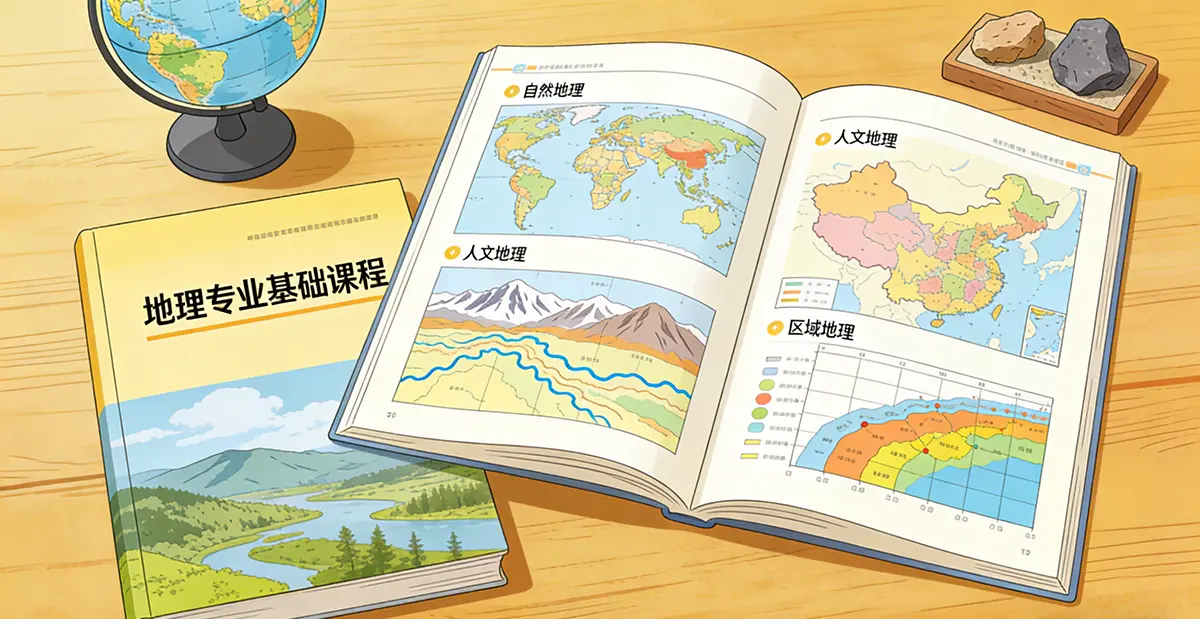
Human Geography Major_Geography(Geog.)_人文地理
The Human Geography Major explores the complex relationships between human activities and space, cul···
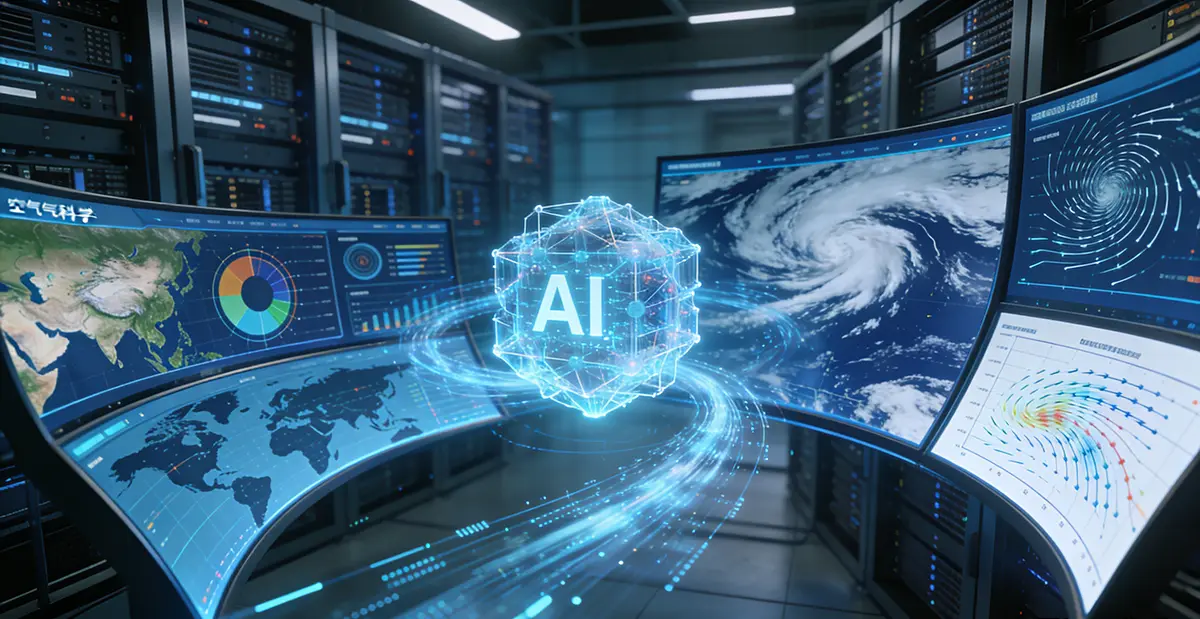
Atmospheric Sciences(Atmos. Sci.)_大气科学
Atmospheric science is the study of phenomena and evolutionary patterns within Earth's atmospher···
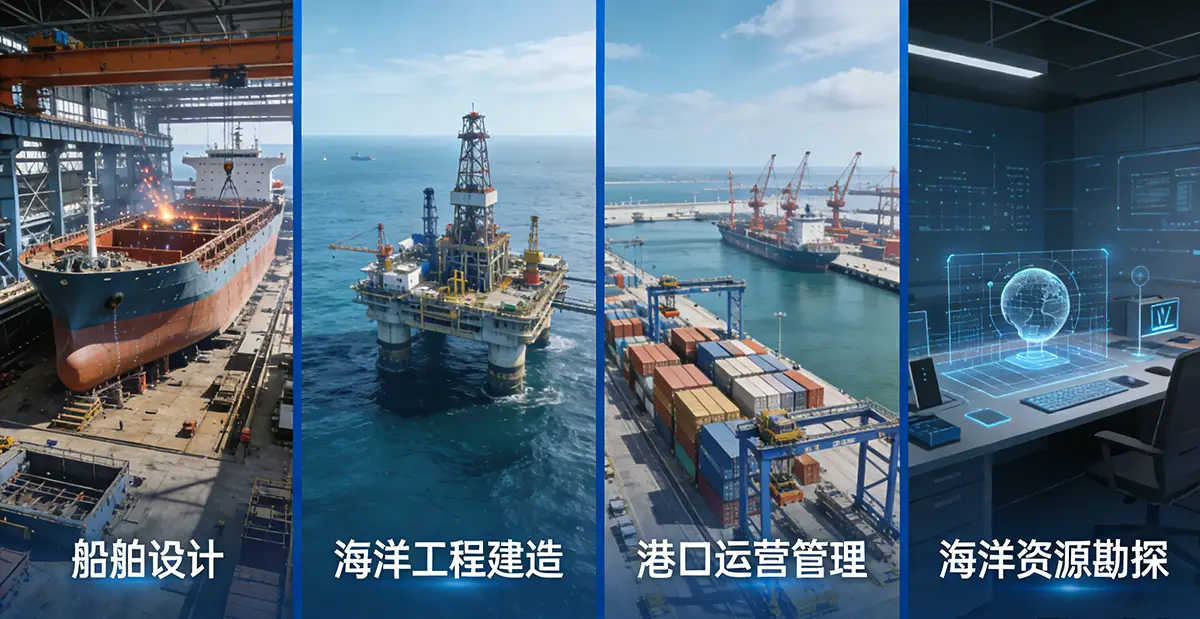
Ship and Ocean Engineering(Ship Ocean Eng.)_船舶与海洋工程
Naval Architecture and Ocean EngineeringNaval Architecture and Ocean Engineering is a core engineeri···

